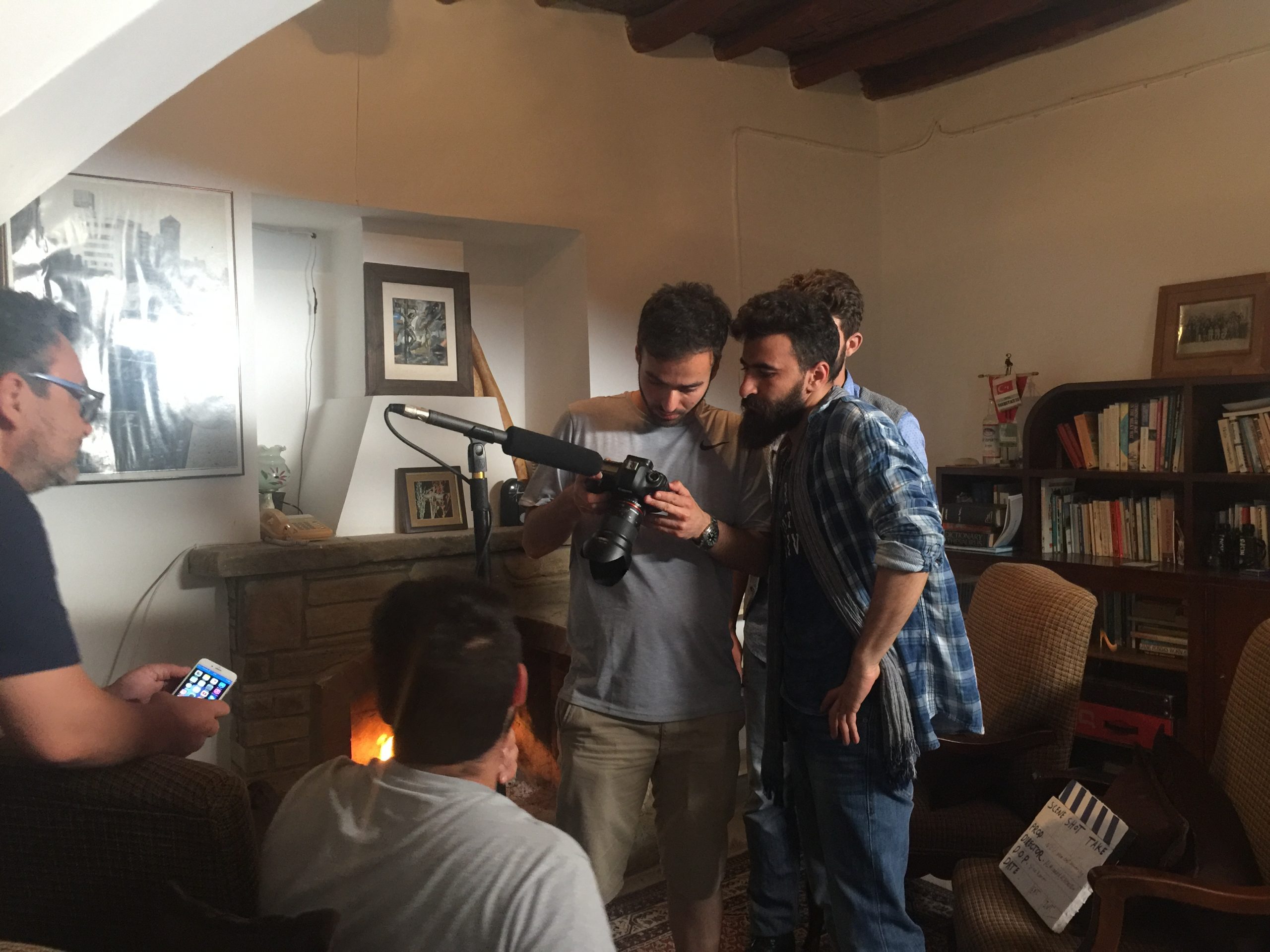
Duration: 4 years (full-time)
Acting Chairperson of Department: Assist. Prof. Dr. Naile Berberoğlu
Program Aim
The Department of Filmmaking and Broadcasting aims to educate individuals who integrate theoretical knowledge with practical production skills in cinema and digital media, demonstrating creativity, critical thinking, and technical competence.
The program equips students with competencies in film language, visual storytelling, editing, cinematography, sound design, broadcasting, and digital media technologies, while fostering an academic perspective grounded in film aesthetics, media theories, and cultural analysis.
The program also supports students’ active engagement in creative production processes, aiming to equip them with the professional discipline required by industry standards. It seeks to contribute to the field both theoretically and artistically through various courses and extra-curricular activities, while fostering media literacy, cultural awareness, and a strong sense of social responsibility.
Within this framework, the department aims to educate graduates who can adapt to contemporary media technologies and make creative, ethical, and responsible contributions to the fields of cinema, television, and digital media.
Educational Approach
The Department of Filmmaking and Broadcasting adopts a dynamic structure that continuously updates its curriculum by closely following rapid technological developments. The revised curriculum introduced in the 2025–2026 academic year further strengthens the integration of theoretical knowledge with practical applications and reinforces the department’s technology-oriented educational vision.
Within this scope:
- Infrastructure has been enhanced through studio-based practices at NEU TV, supporting students in gaining professional broadcasting experience.
- Courses incorporating audiovisual effects and cinematic techniques ensure alignment with current technological developments.
- The curriculum has been updated to integrate contemporary new media skills into the learning processes, such as AI-based content generation.
Physical Infrastructure and Practical Facilities
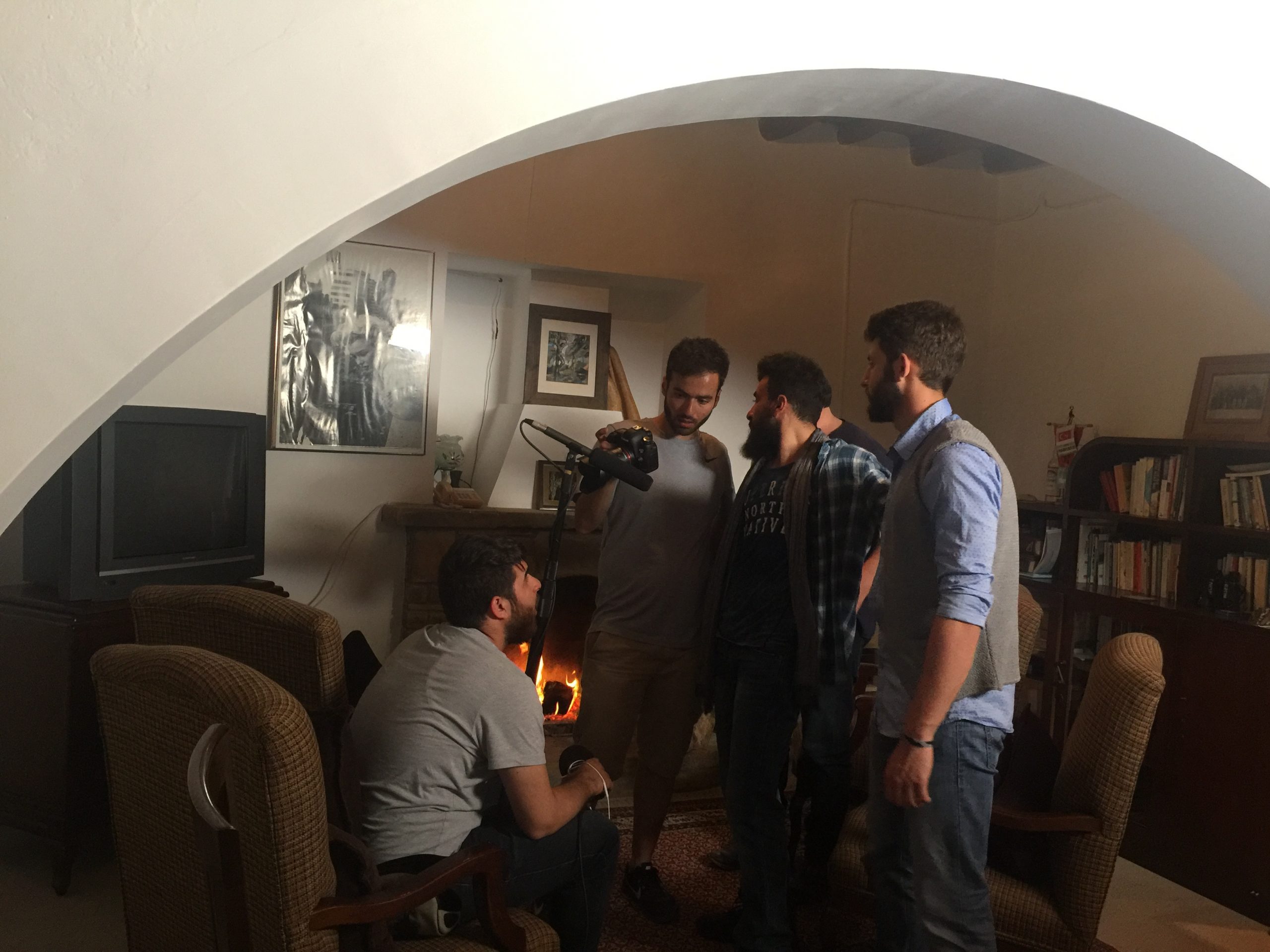
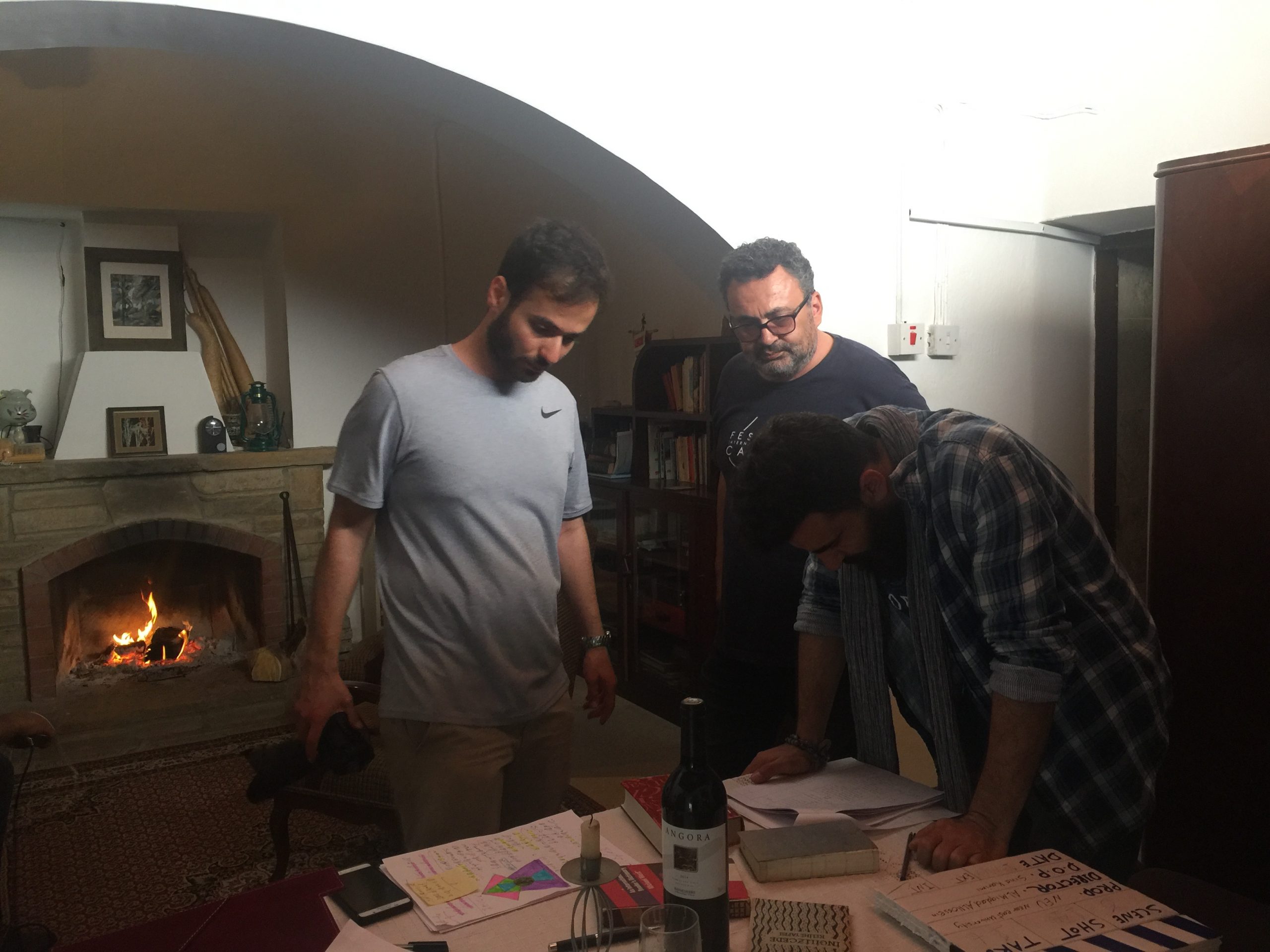
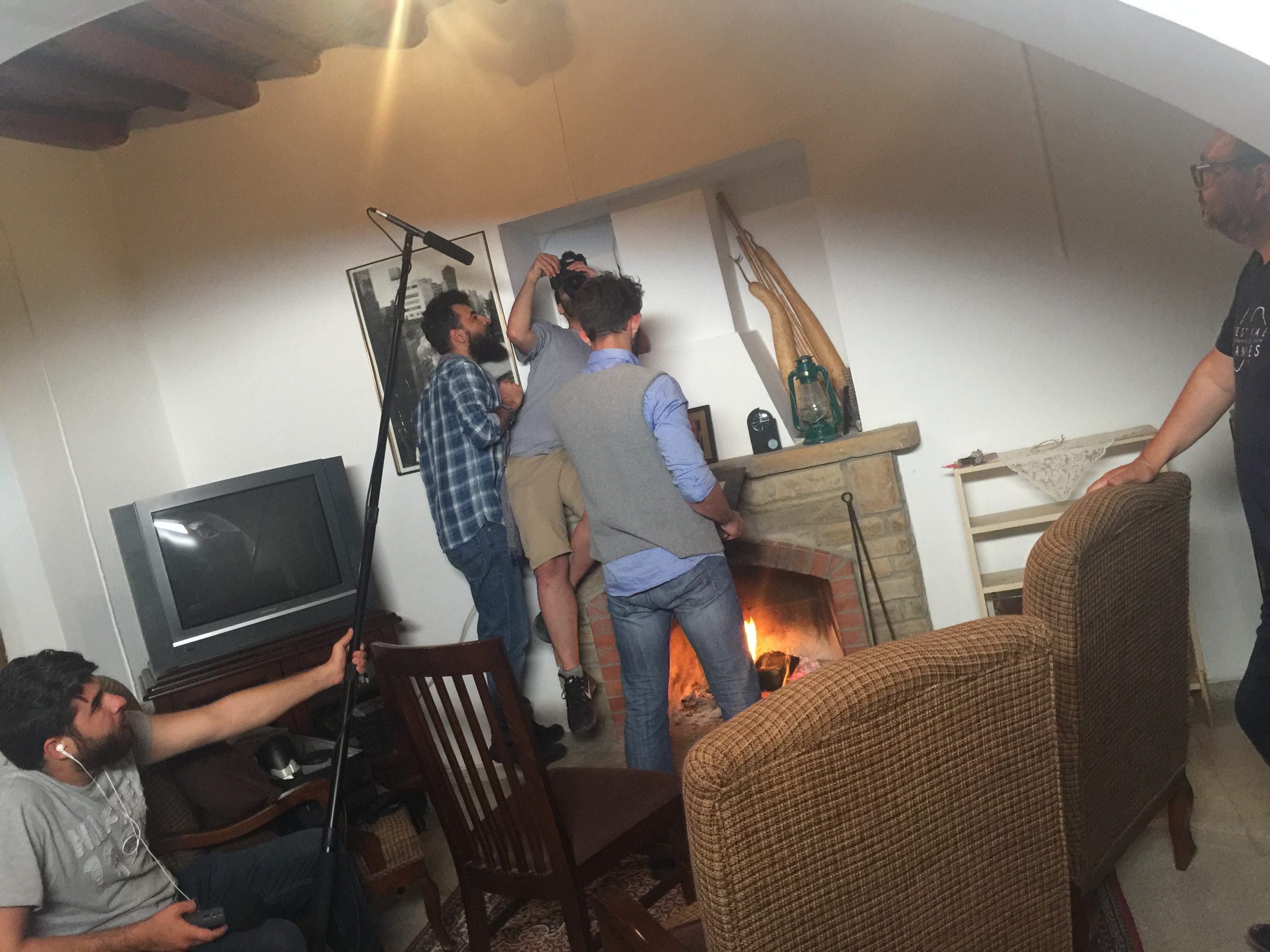
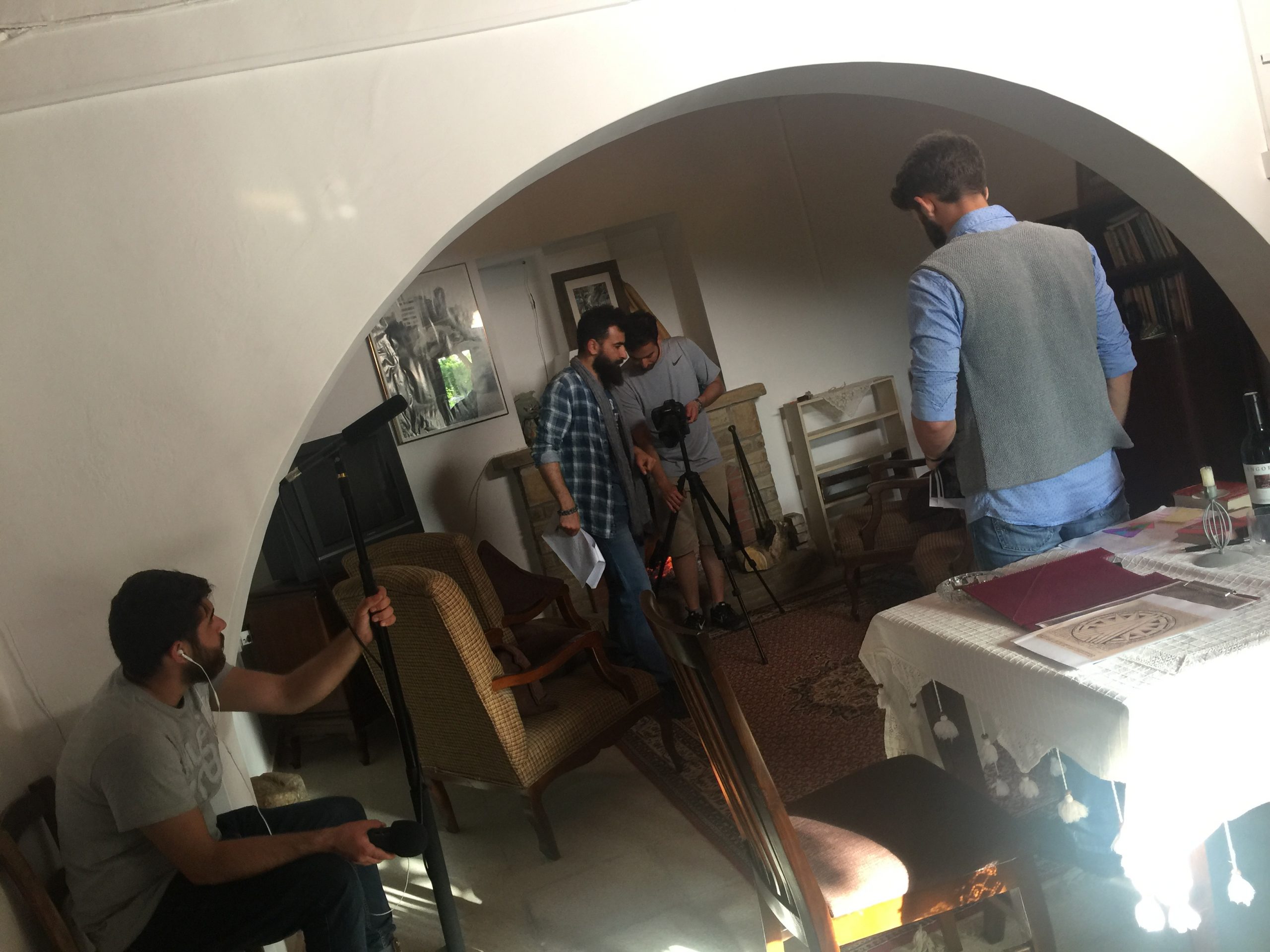
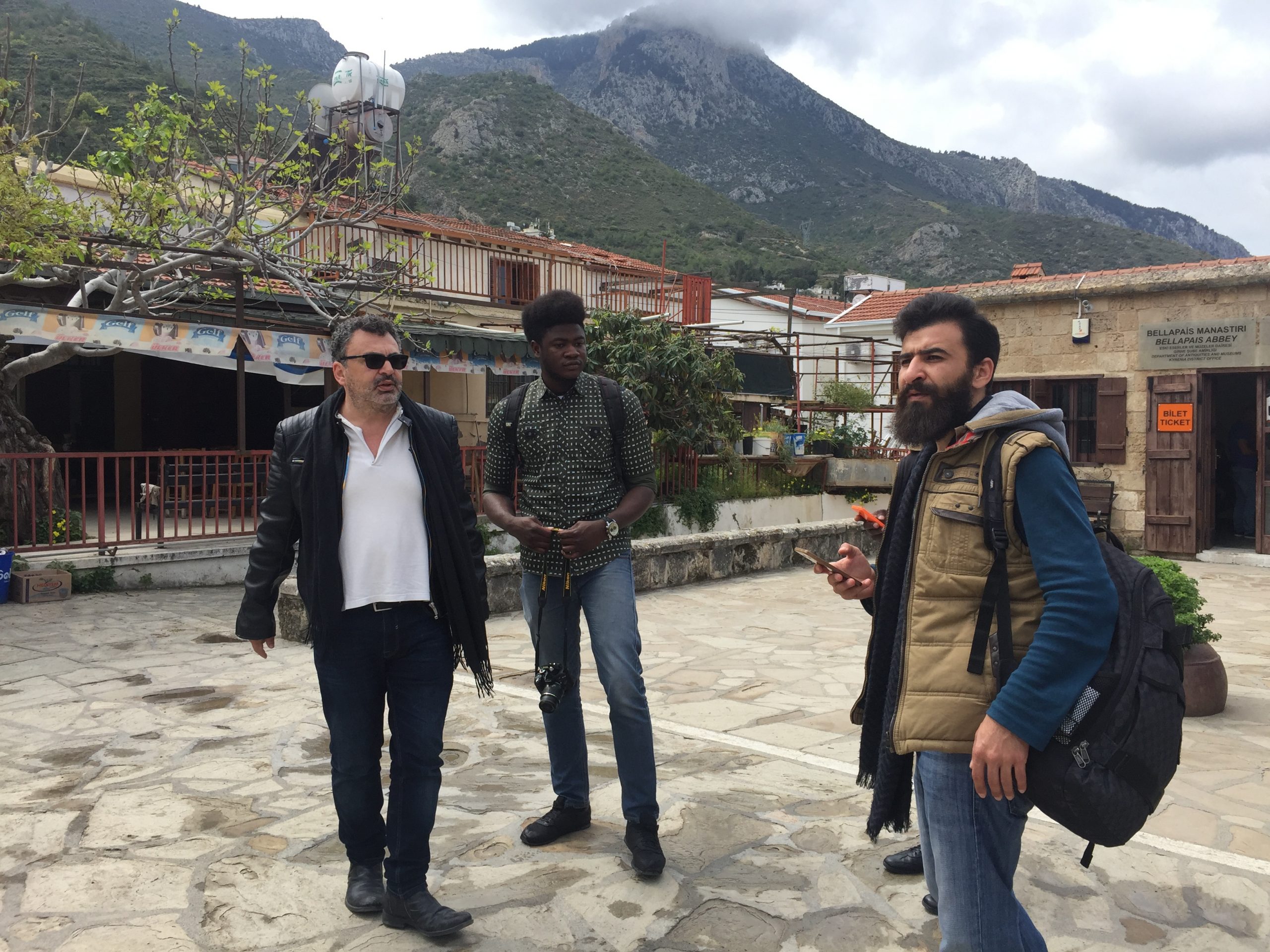
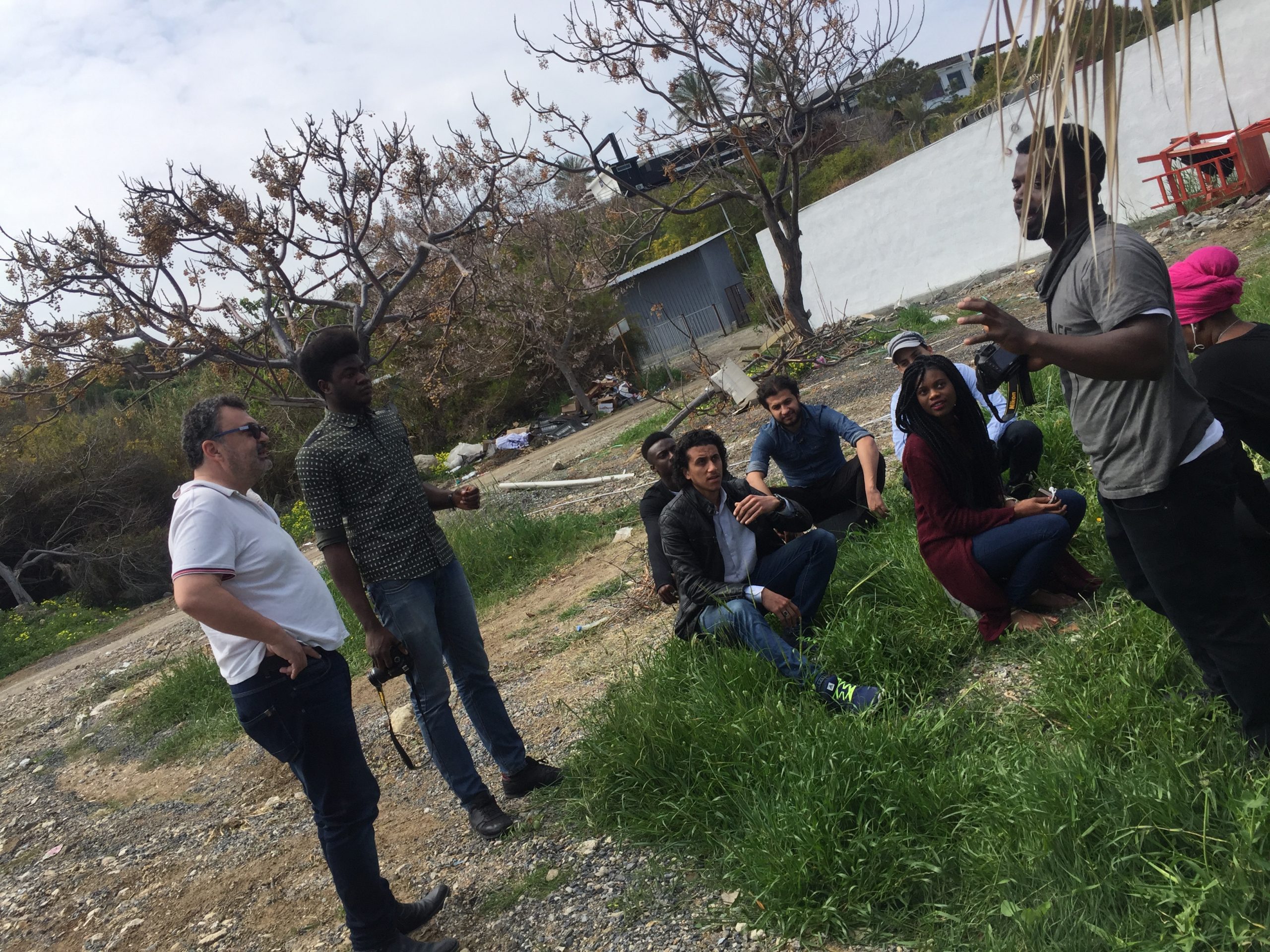
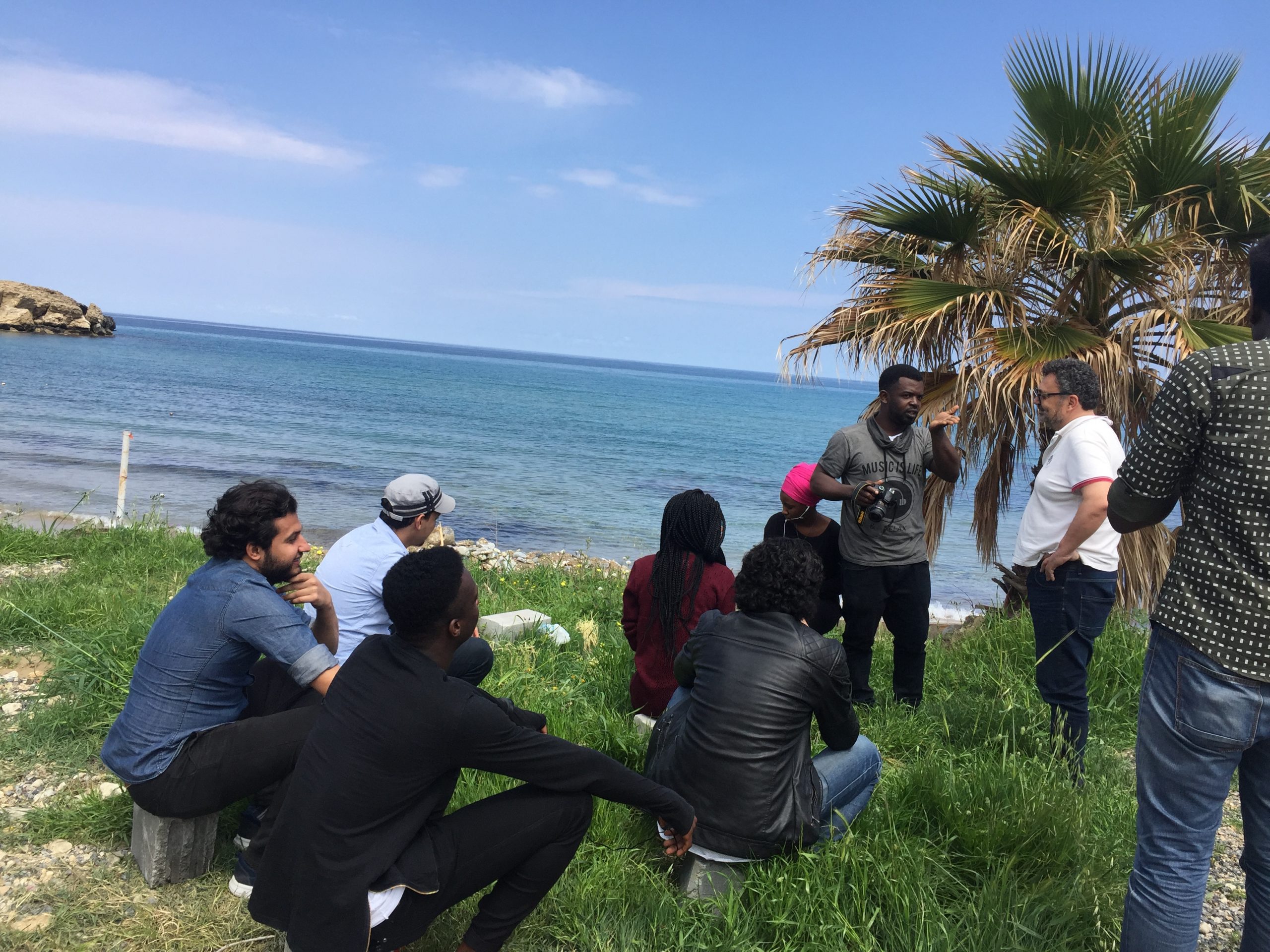
The department provides not only classroom-based education but also practice environments that closely resemble real industry conditions.
- NEU TV: Professional television production environment
- Digital broadcasting platforms and Perspective Digital Newspaper
- Studios and editing laboratories
Education in these facilities ensures that students graduate with substantial industry experience and strong practical competencies.
Quality in Education, Participation, and Continuous Improvement
Educational processes in the department are conducted in line with student satisfaction, stakeholder engagement, and a continuous improvement approach.
Within this framework, students actively participate in governance through a representative system. They contribute to decision-making processes by being represented in departmental, faculty, and executive boards, thereby strengthening a participatory and transparent management approach.
Additionally, educational processes are regularly monitored and updated based on:
- Internal and external stakeholder feedback
- Sectoral developments
- Technological innovations
Student Production, Competitions, and Portfolio Development
The department adopts a production-oriented approach that supports students’ creative development. Accordingly:
- Participation in national and international short film competitions is encouraged
- Production processes are supported through collaboration between students, academics, and industry professionals
- Students are encouraged to develop original creative projects
Through this approach, students not only gain production motivation but also build a strong and qualified portfolio by experiencing various platforms throughout their education.
Program Learning Objectives
The Department of Filmmaking and Broadcasting aims to educate individuals who are creative, critically minded, technically competent, and ethically responsible in the fields of cinema and media.
In line with this aim, the program learning objectives are to:
- Demonstrates advanced theoretical and historical understanding of cinema, encompassing film theory, criticism, and aesthetics; critically evaluates film movements, styles, and their social and political contexts.
- Possesses comprehensive knowledge of production and post-production processes, including directing, cinematography, editing, and sound design, and can effectively use the core technologies of these areas.
- Gains the ability to create original, effective, and creative stories, and to write scripts.
- Gains the ability to create original, effective and creative stories through utilising editing, lighting, sound and composition.
- Analyses and interprets film language, aesthetics, and genres, and applies this knowledge to creative production.
- Utilizes cinematographic tools and theoretical frameworks to design and present visually compelling and artistically coherent set compositions within cinematic language.
- Develops innovative and experimental projects in screenwriting and audiovisual production using AI-supported and other contemporary digital applications.
- Gains the ability to manage teams and collaborate, and to generate solutions to creative and technical problems arising in production processes.
- Produces independent film projects by drawing on creative, technical, and editorial skills; completes all processes relevant to production and distribution such as budgeting and scheduling.
- Completes project presentation and production development processes tailored for digital platforms.
- Engages actively with the film industry by participating in film festivals, workshops, and professional events, and contributes to creative and cultural exchange within the field.
- Demonstrates ethical awareness and social responsibility in media practices; adopts environmentally friendly production processes to contribute to sustainability; and shows respect for cultural diversity and professional standards.
Message from the (Acting) Head of Department
Dear students and prospective candidates,
As the Department of Filmmaking and Broadcasting, we are committed to fostering an educational environment where creativity, critical inquiry, and technical excellence are developed together. We believe that a strong foundation in film theory, history, and aesthetics is essential for understanding cinema not only as an art form, but also as a cultural and social practice. For this reason, our program encourages students to critically engage with film movements, styles, and their broader contexts, while simultaneously developing the practical skills required for contemporary media production.
Throughout their studies, our students gain comprehensive experience in both production and post-production processes, including directing, cinematography, editing, and sound design. Equally important, they are encouraged to develop their own creative voices—learning how to construct original narratives and transform ideas into meaningful audiovisual works through the thoughtful use of composition, lighting, sound, and editing. By combining theoretical knowledge with hands-on practice, students learn to interpret film language and apply it effectively in their own productions.
We place particular emphasis on enabling students to work both independently and collaboratively. Film production is inherently a collective process, and our students are trained to manage teams, navigate creative and technical challenges, and carry projects through all stages—from initial concept development to production, post-production, and presentation across digital platforms. At the same time, they are encouraged to explore innovative and experimental approaches, including the use of contemporary digital tools and AI-supported applications, in order to expand the boundaries of visual storytelling.
Engagement with the wider film and media landscape is an integral part of our educational approach. Through participation in film festivals, workshops, and professional events, students become active contributors to creative and cultural exchange. In doing so, they not only gain industry awareness but also develop a sense of responsibility toward the social and ethical dimensions of media practice. Respect for cultural diversity, adherence to professional standards, and an awareness of sustainable production practices are values that underpin all aspects of our program.
Our aim is to support the development of filmmakers and media professionals who are thoughtful, skilled, and capable of producing work that resonates both artistically and socially. We take great pride in guiding our students as they shape their individual creative paths, and we warmly invite you to become part of a learning environment where your ideas, creativity, and aspirations can find meaningful expression.
Sincerely,
Assist. Prof. Dr. Naile Berberoğlu – aka – Davita Günbay
Acting Chairperson of Department
*
Film Trailers
[youtube id=”5Jes7Zx4EUI”]
[youtube id=”DVw7U-VfO7Q”]
Behind The Scenes of Films
[youtube id=”uSxWrpXJWgA”]
[youtube id=”xZ6Mx2fLMN0″]
[youtube id=”VVnV67_zSSg”]
[youtube id=”xcJ5j9LzBA0″]
Posters
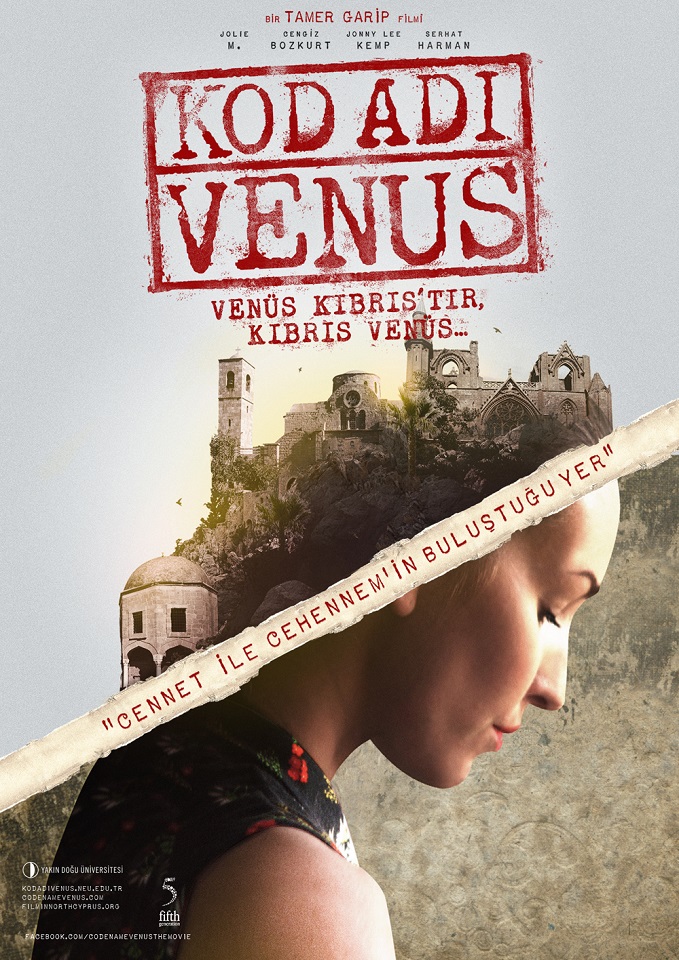
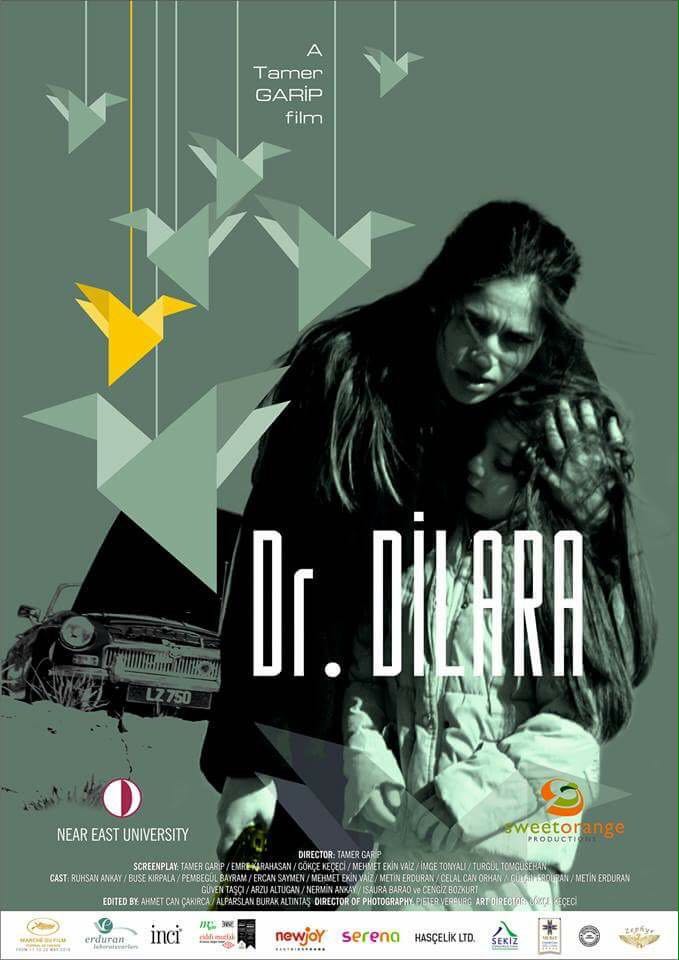
Photo

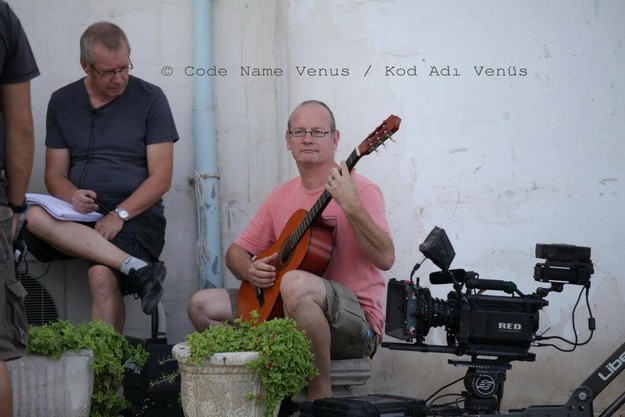
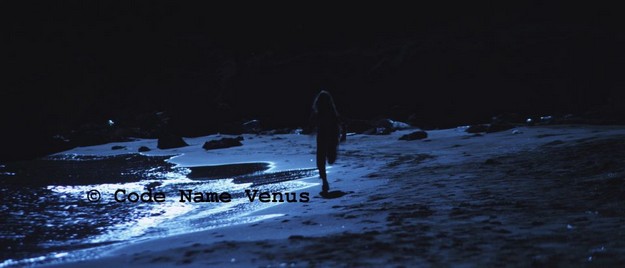

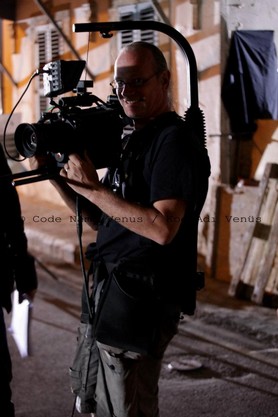
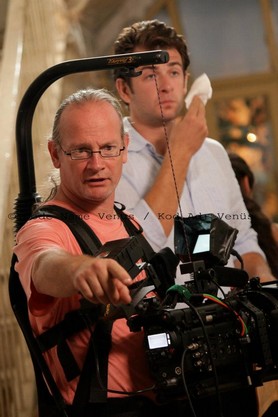
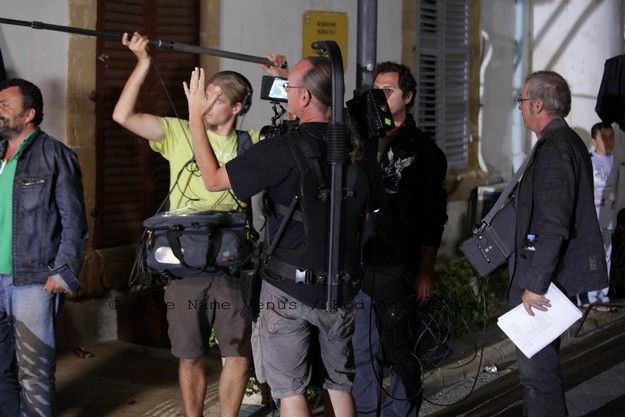

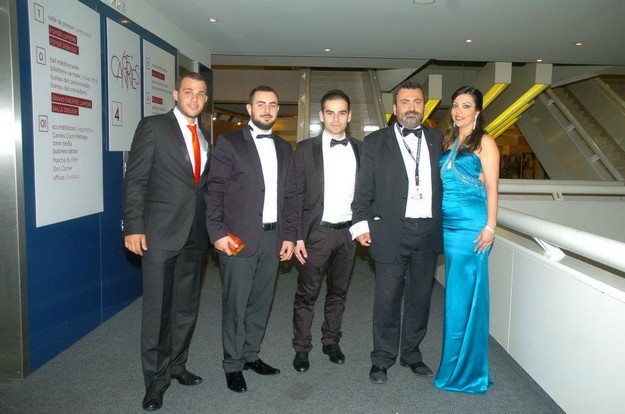
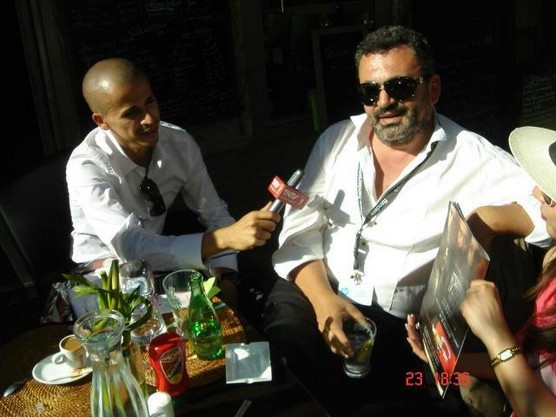
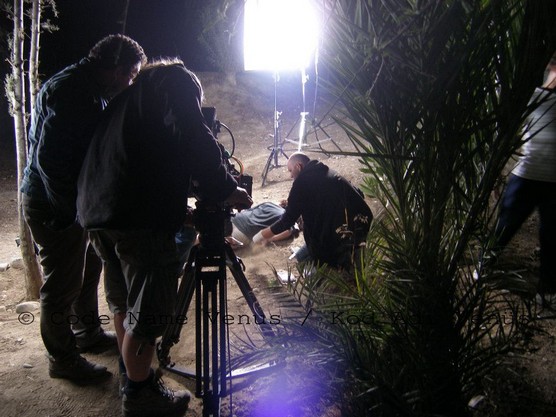
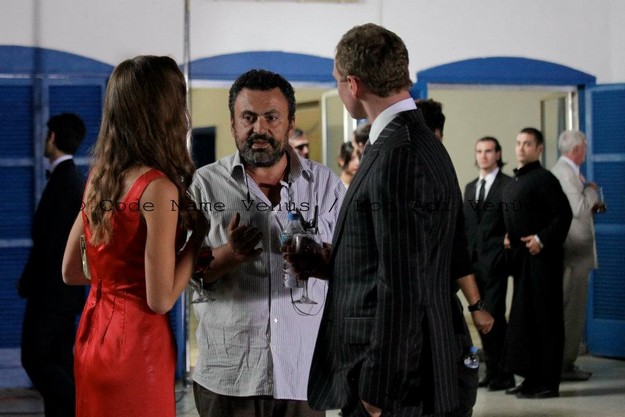
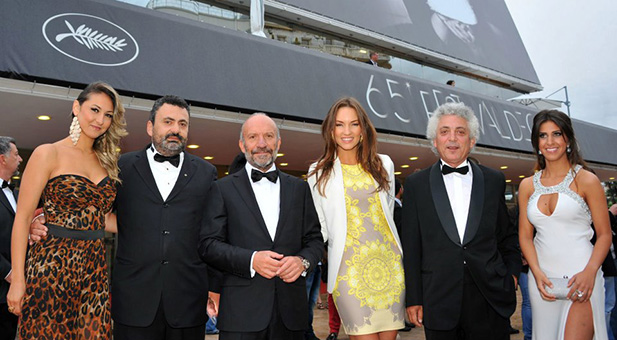
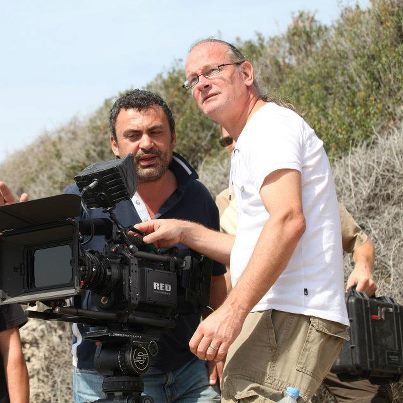
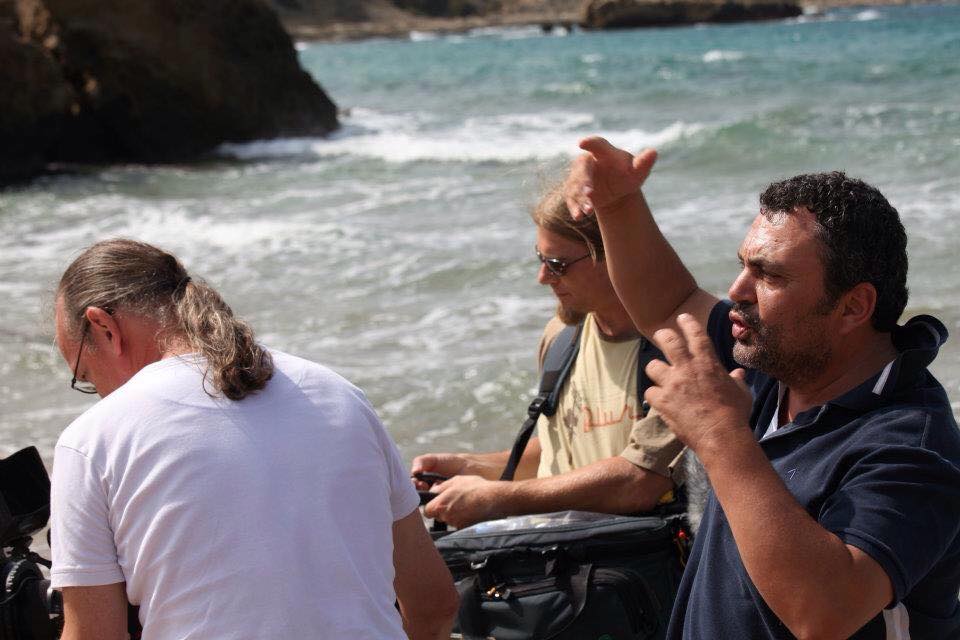
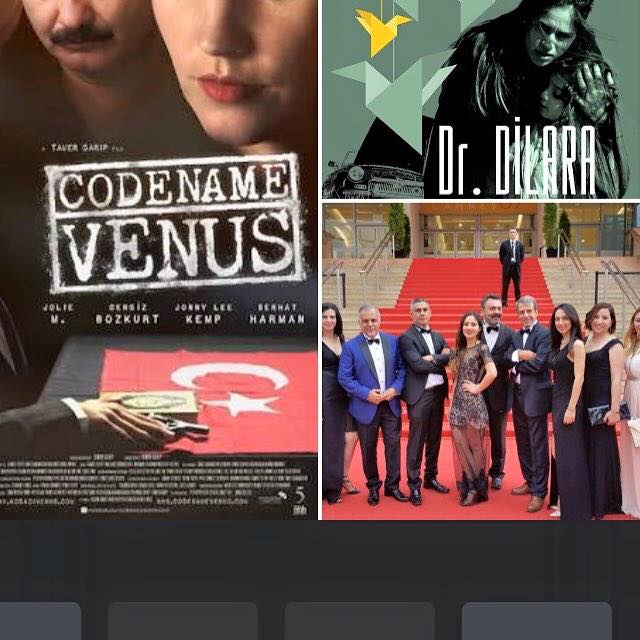
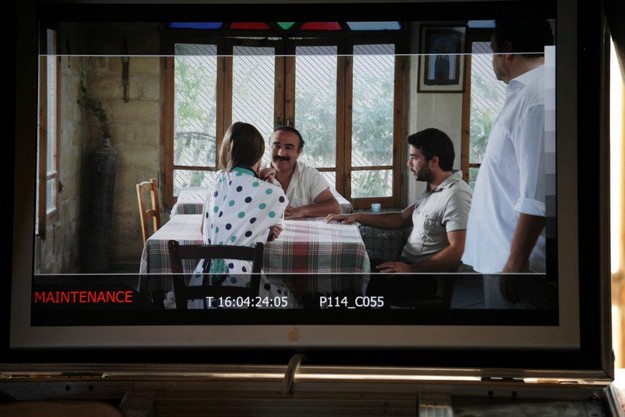
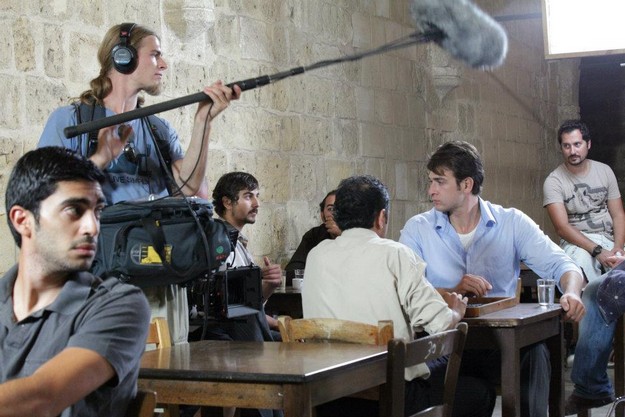
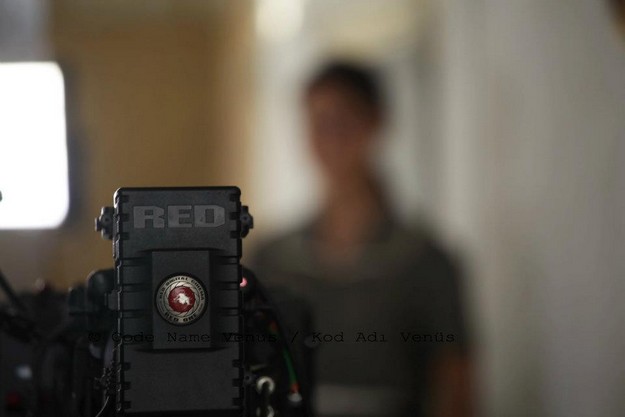
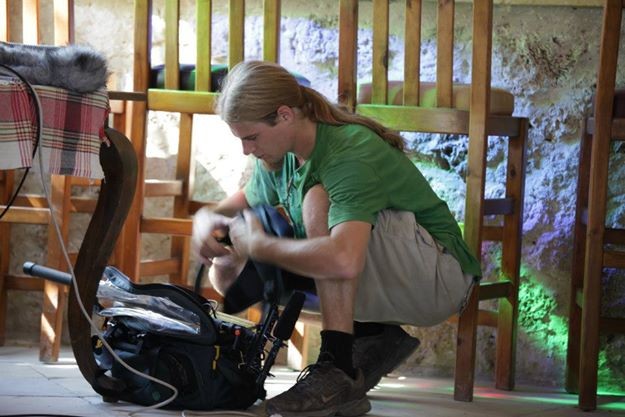
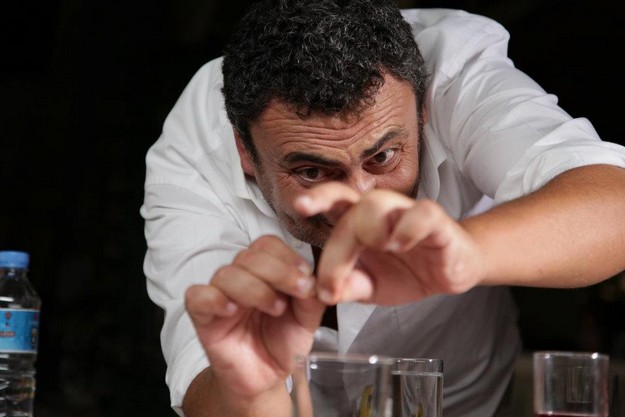
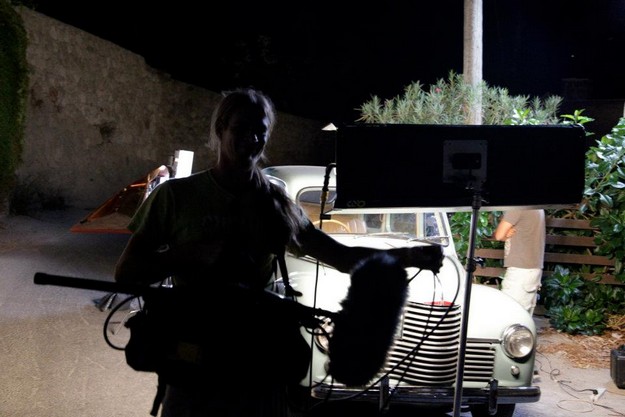
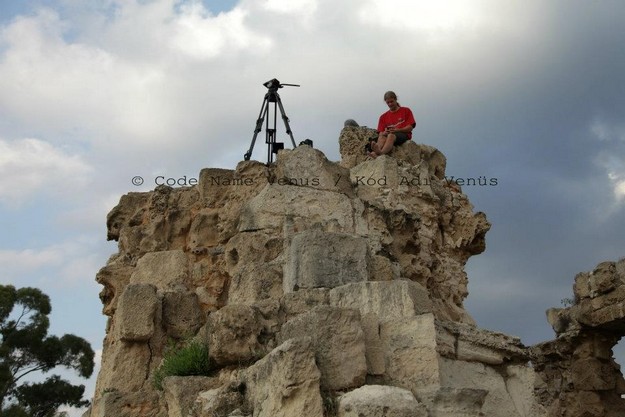
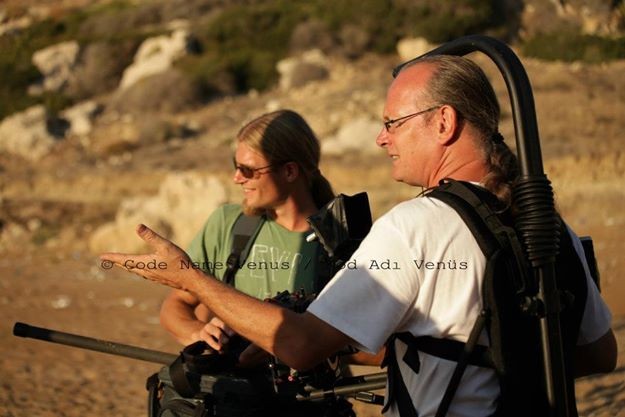
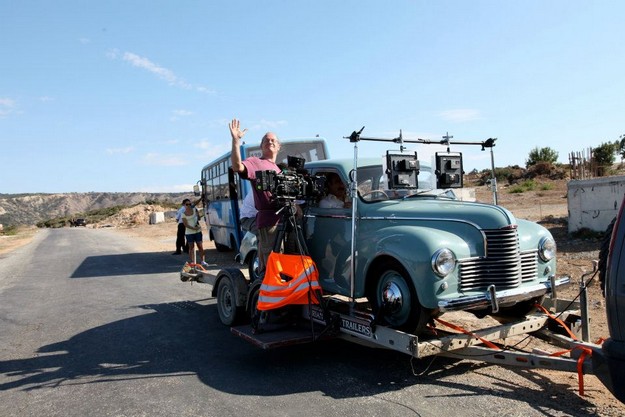
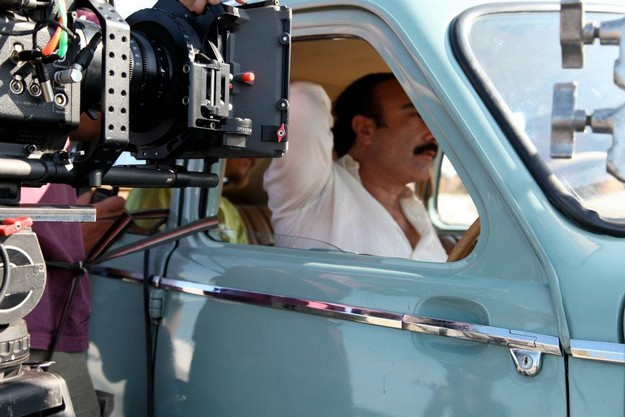
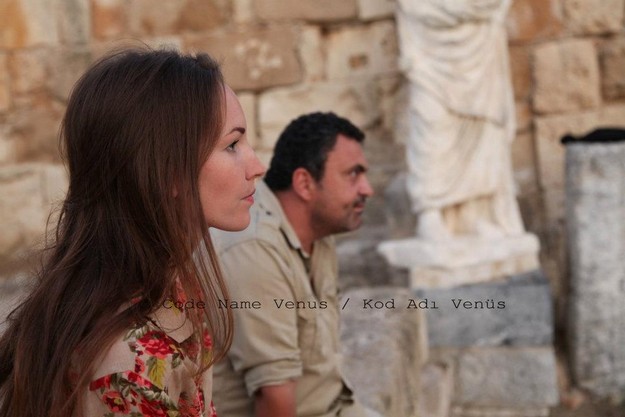

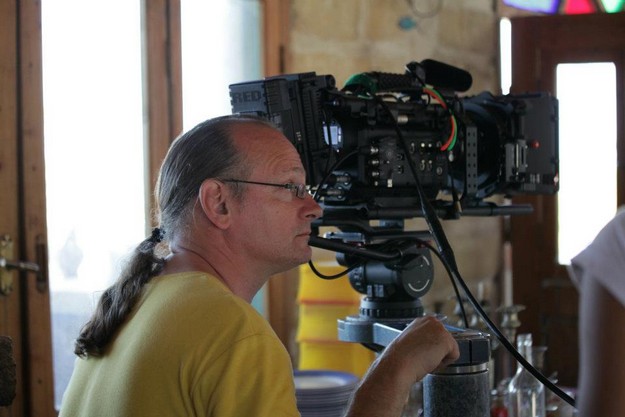
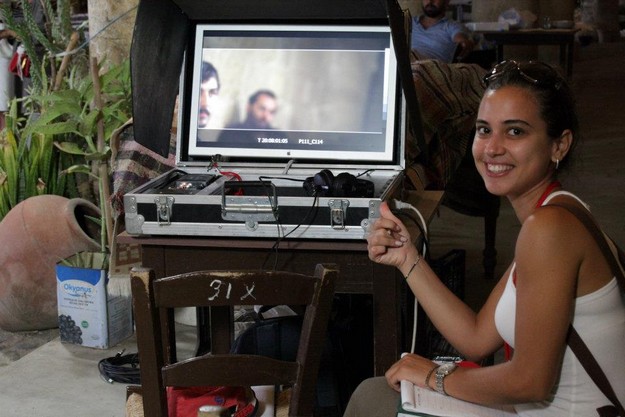

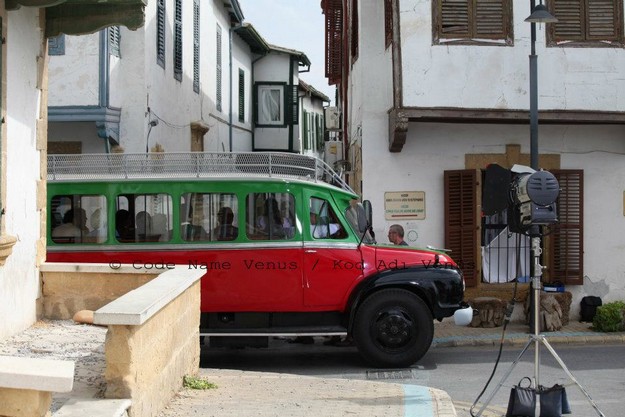
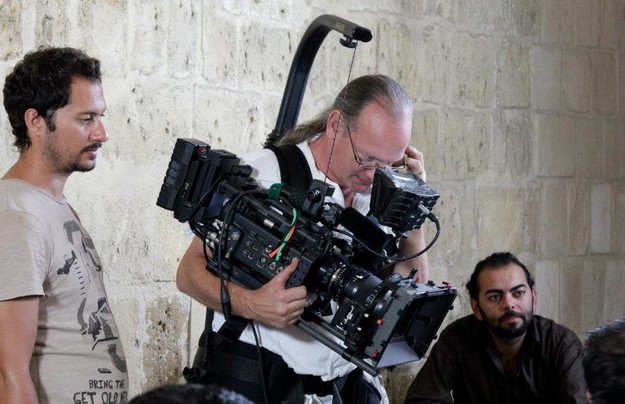
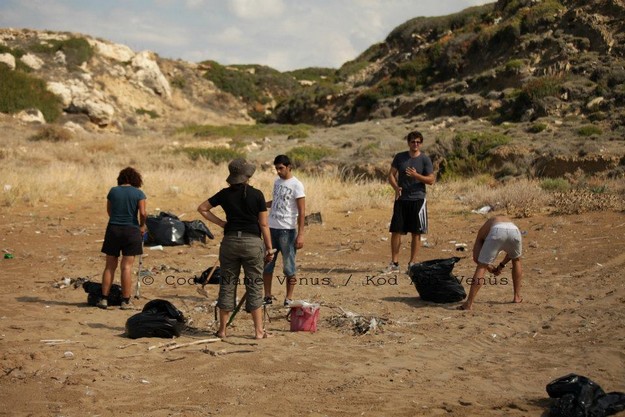
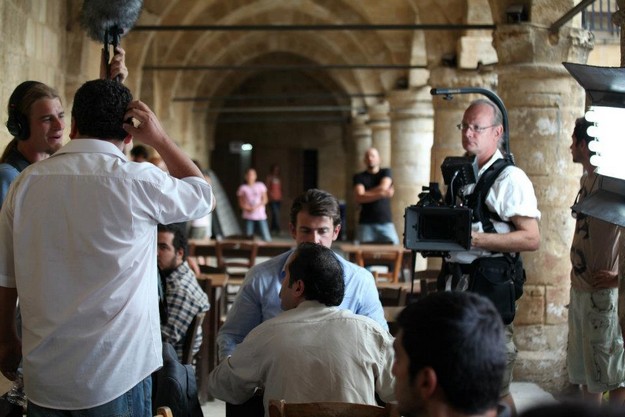

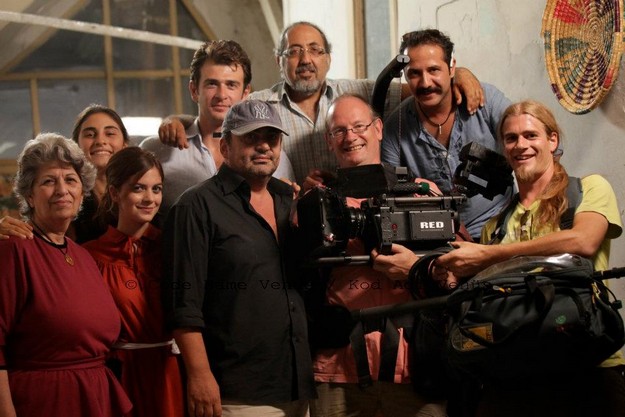
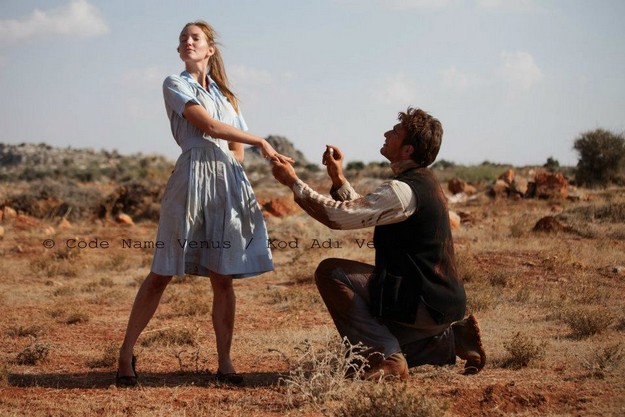
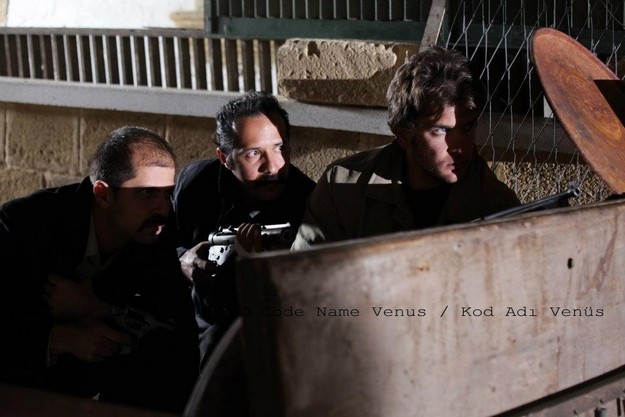
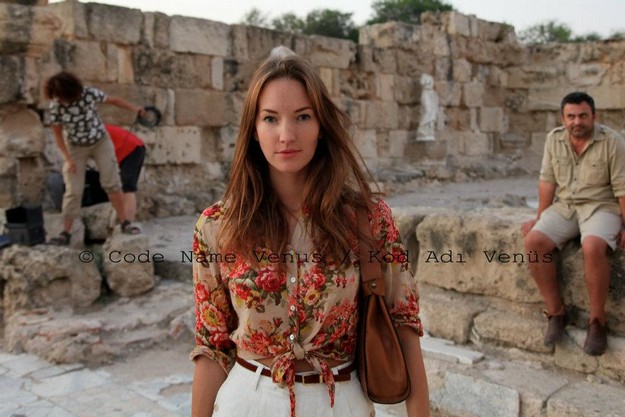
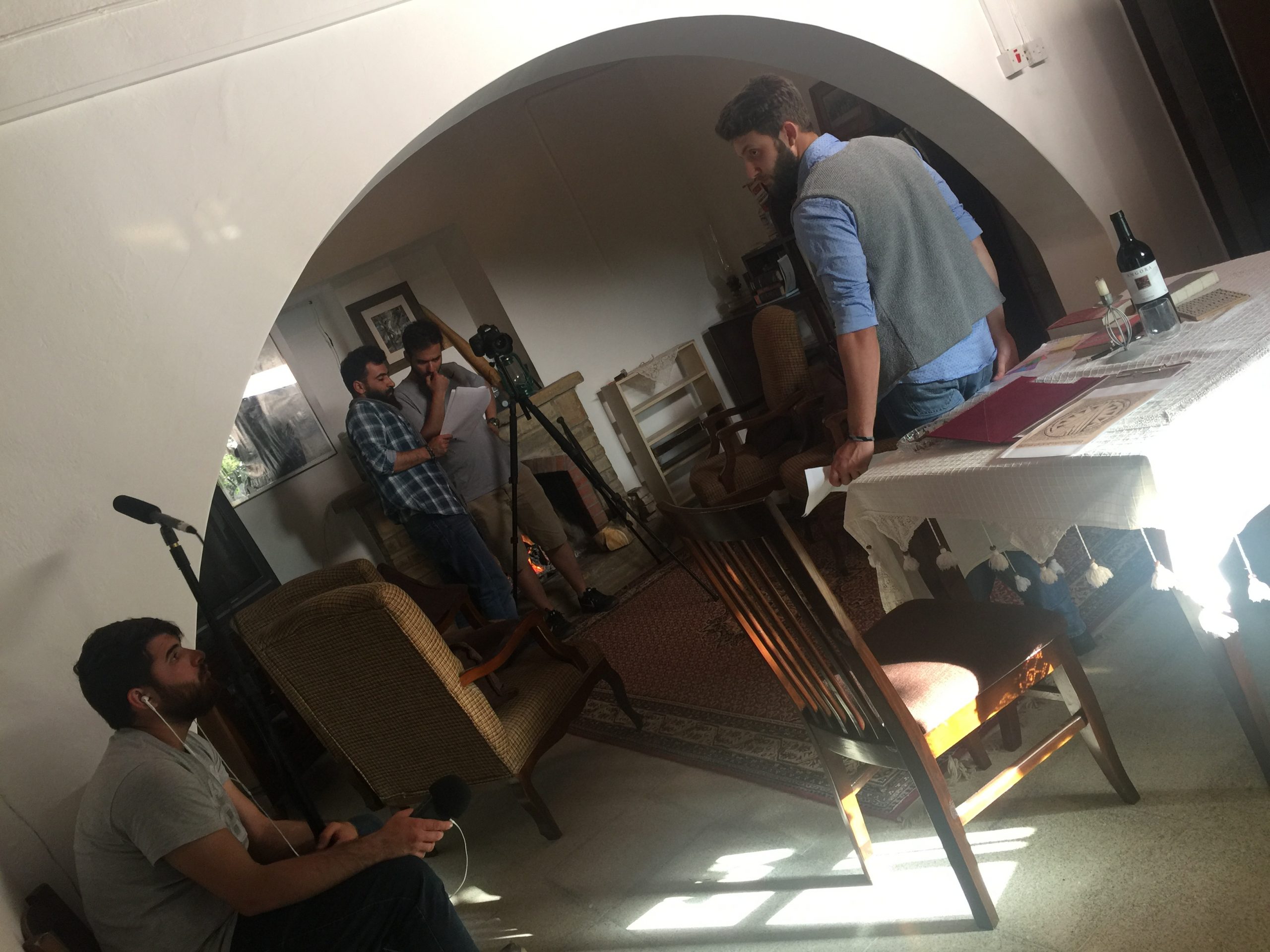
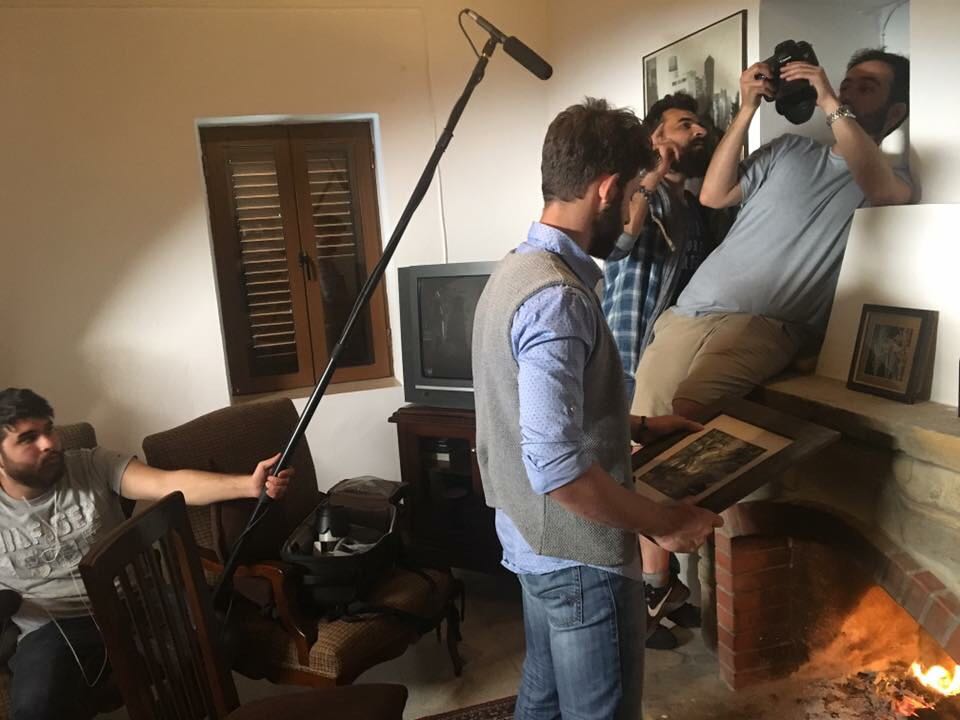
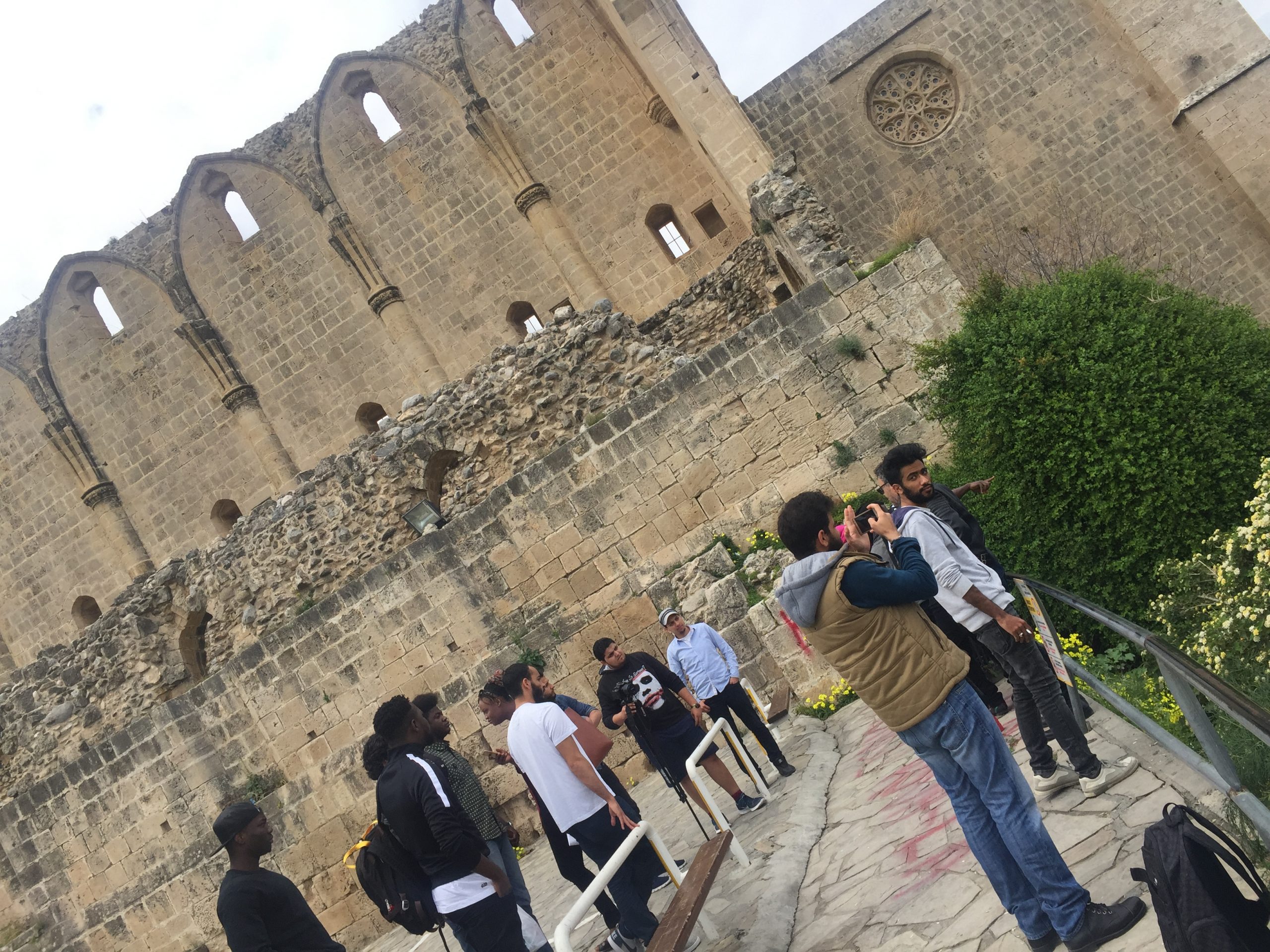
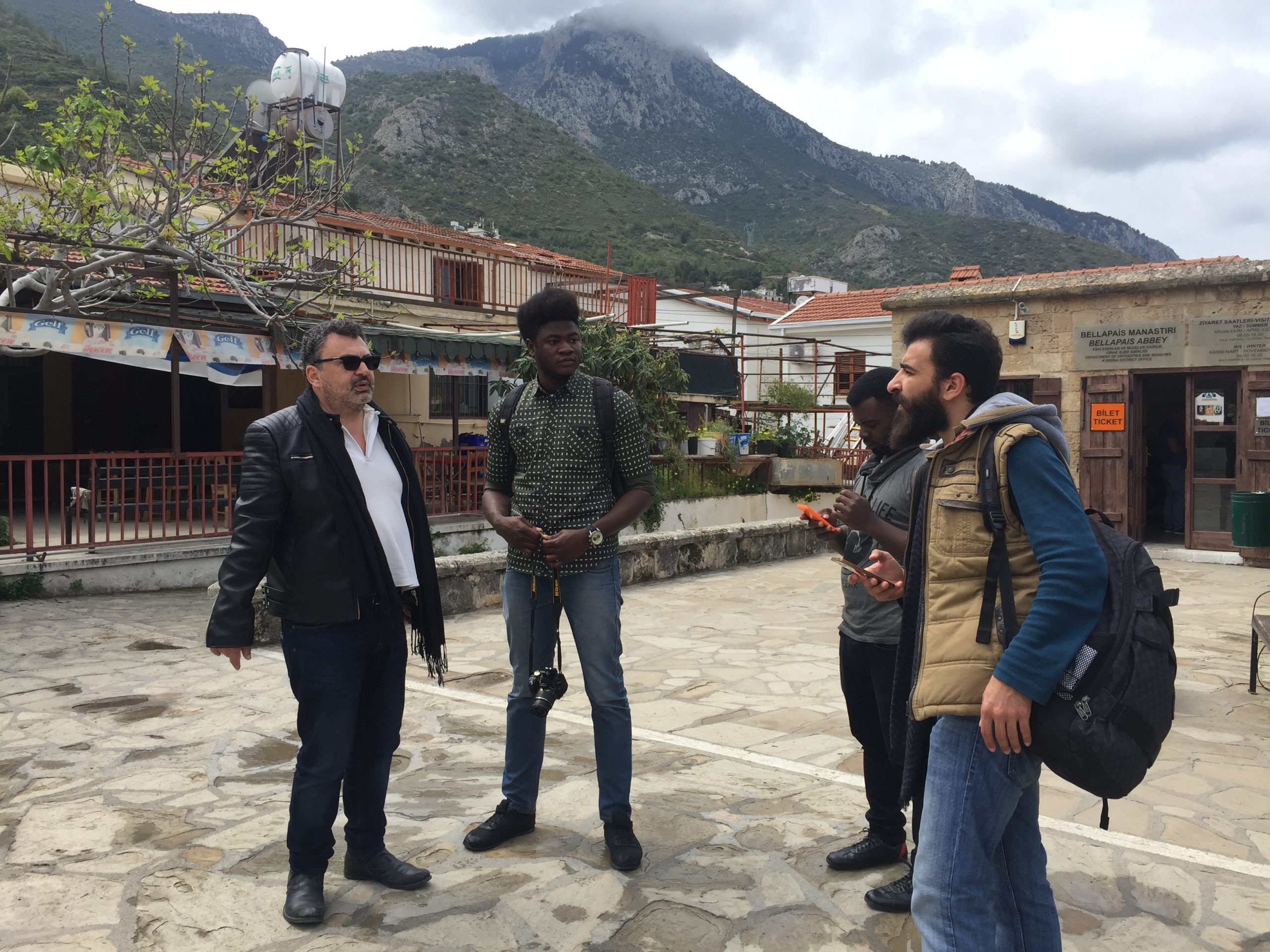
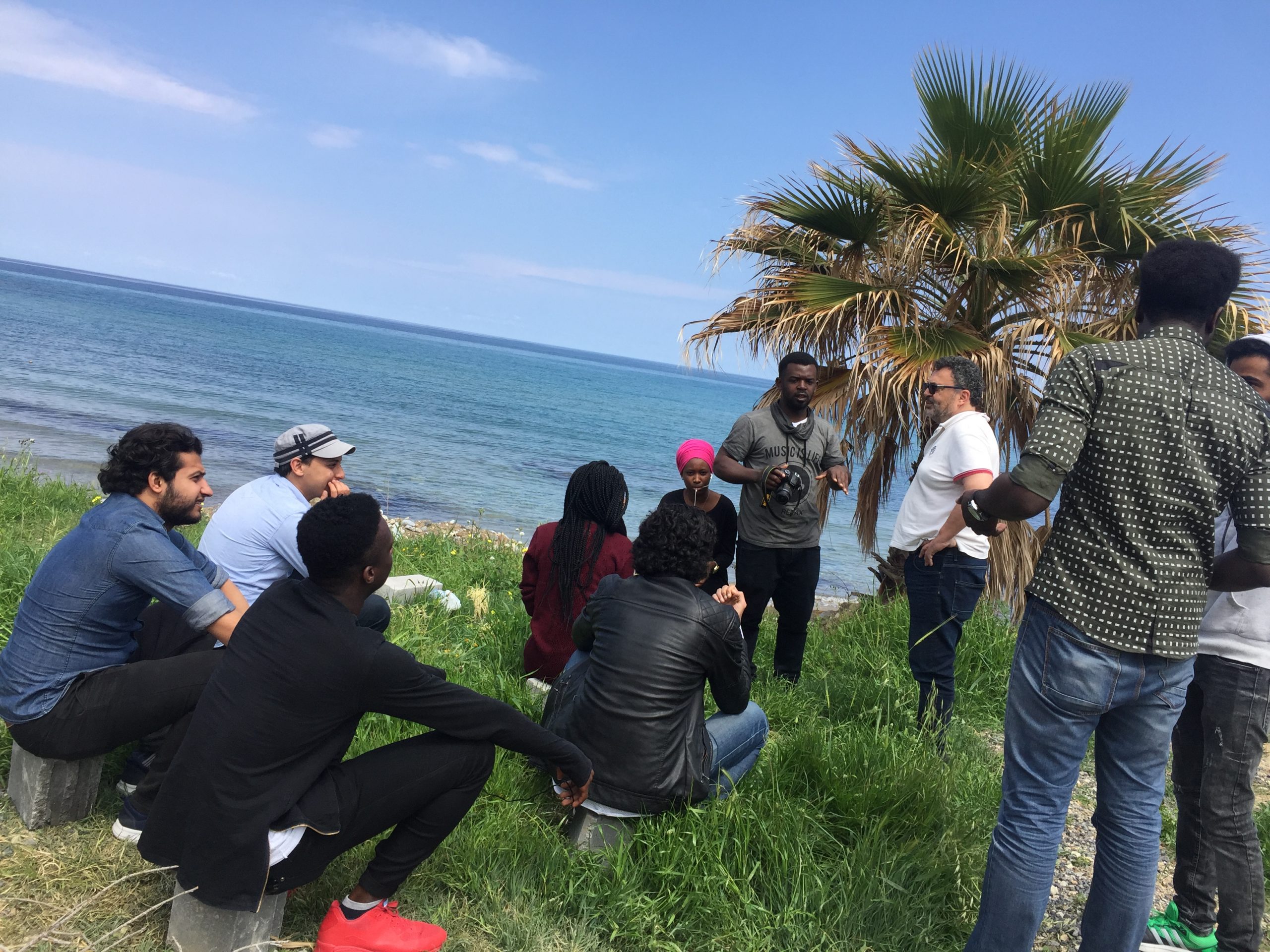
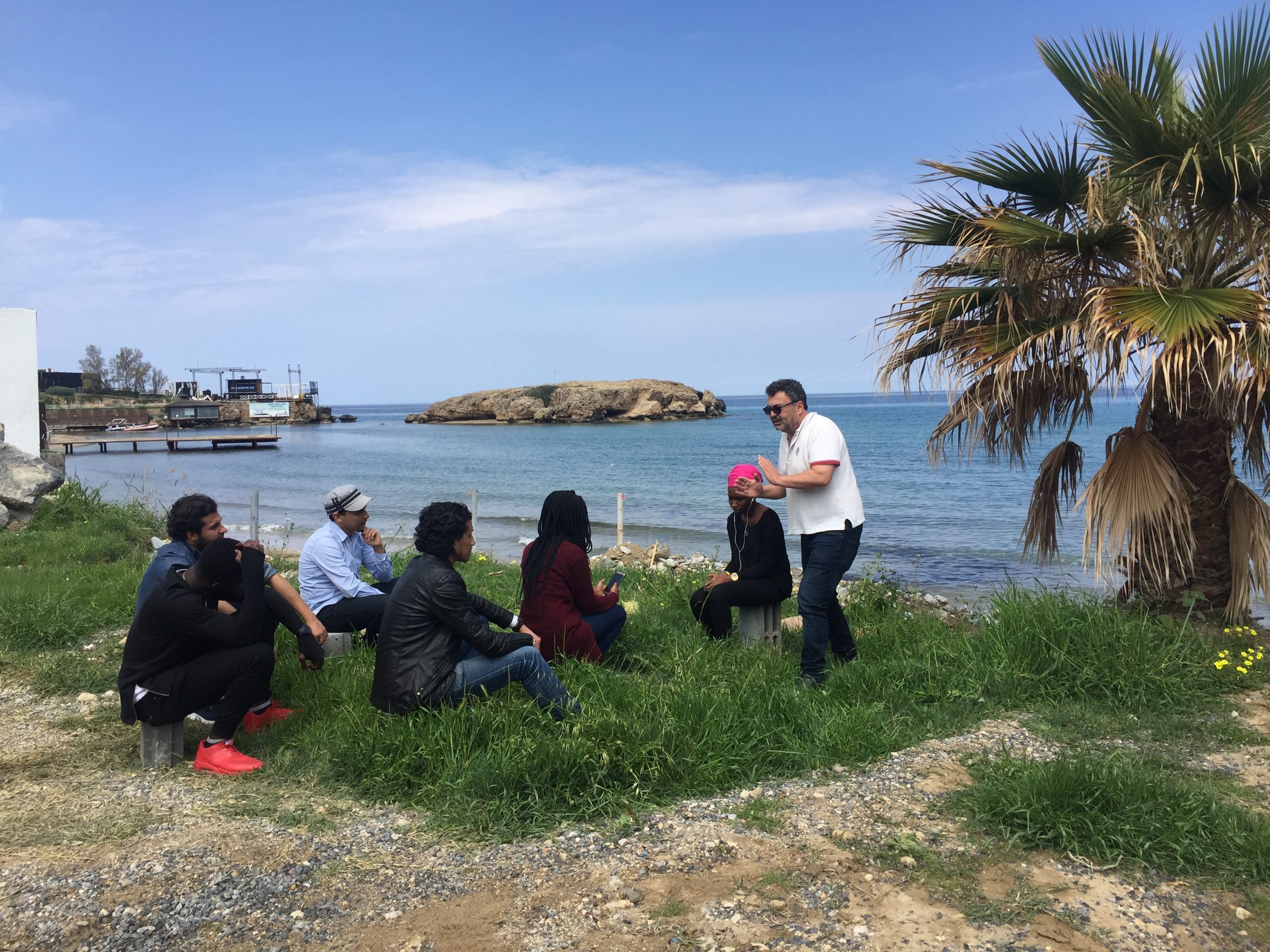
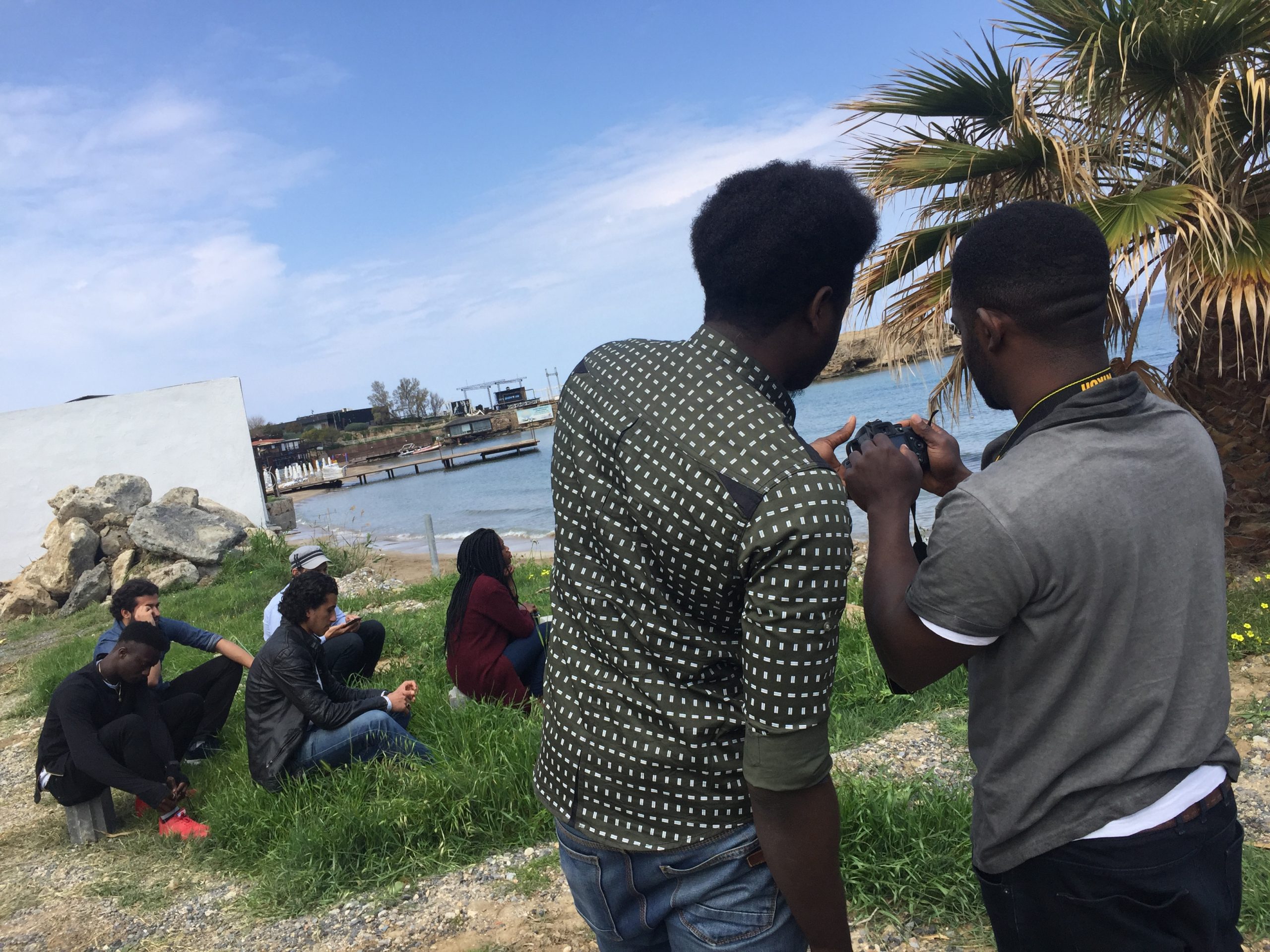
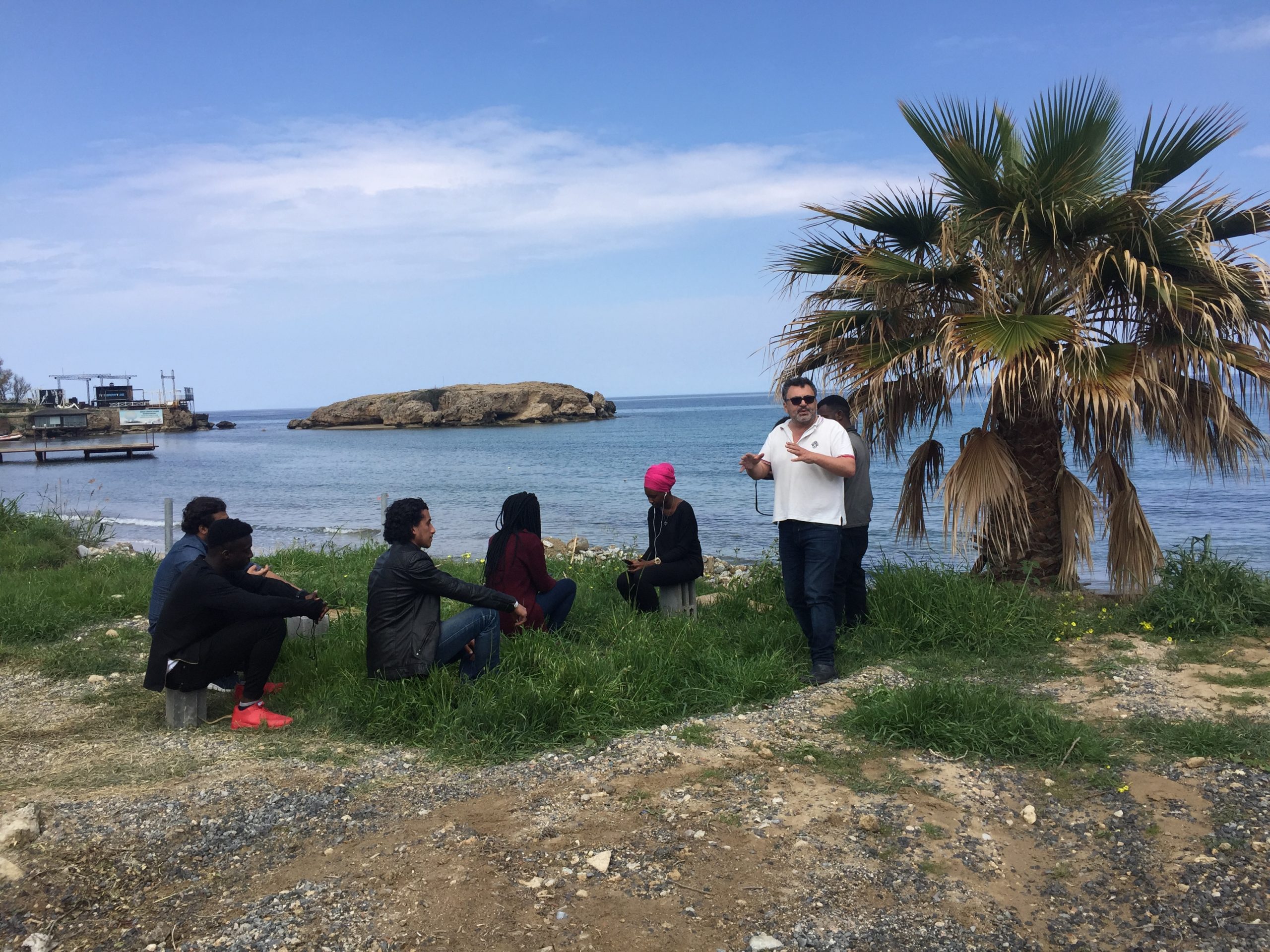
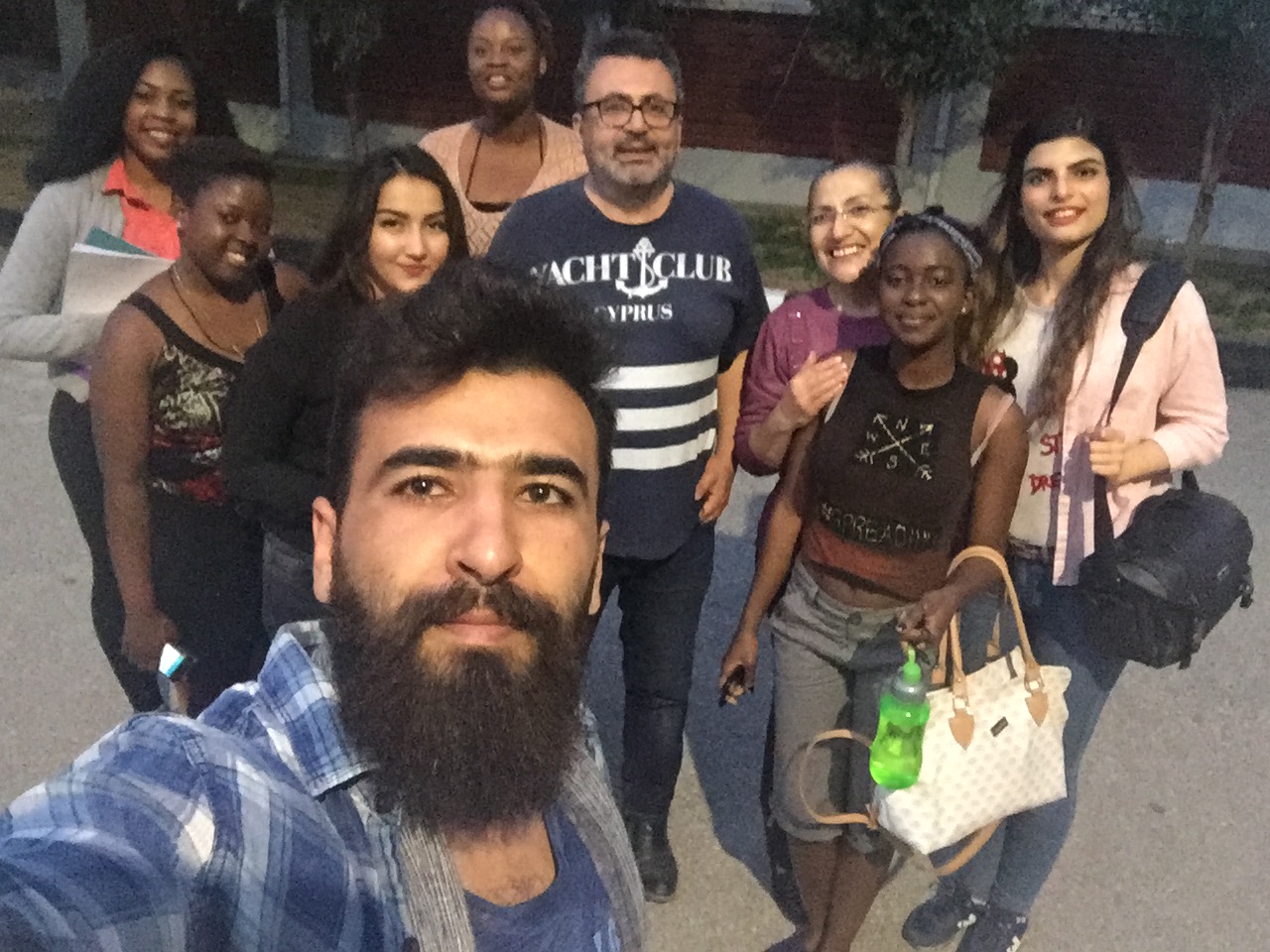
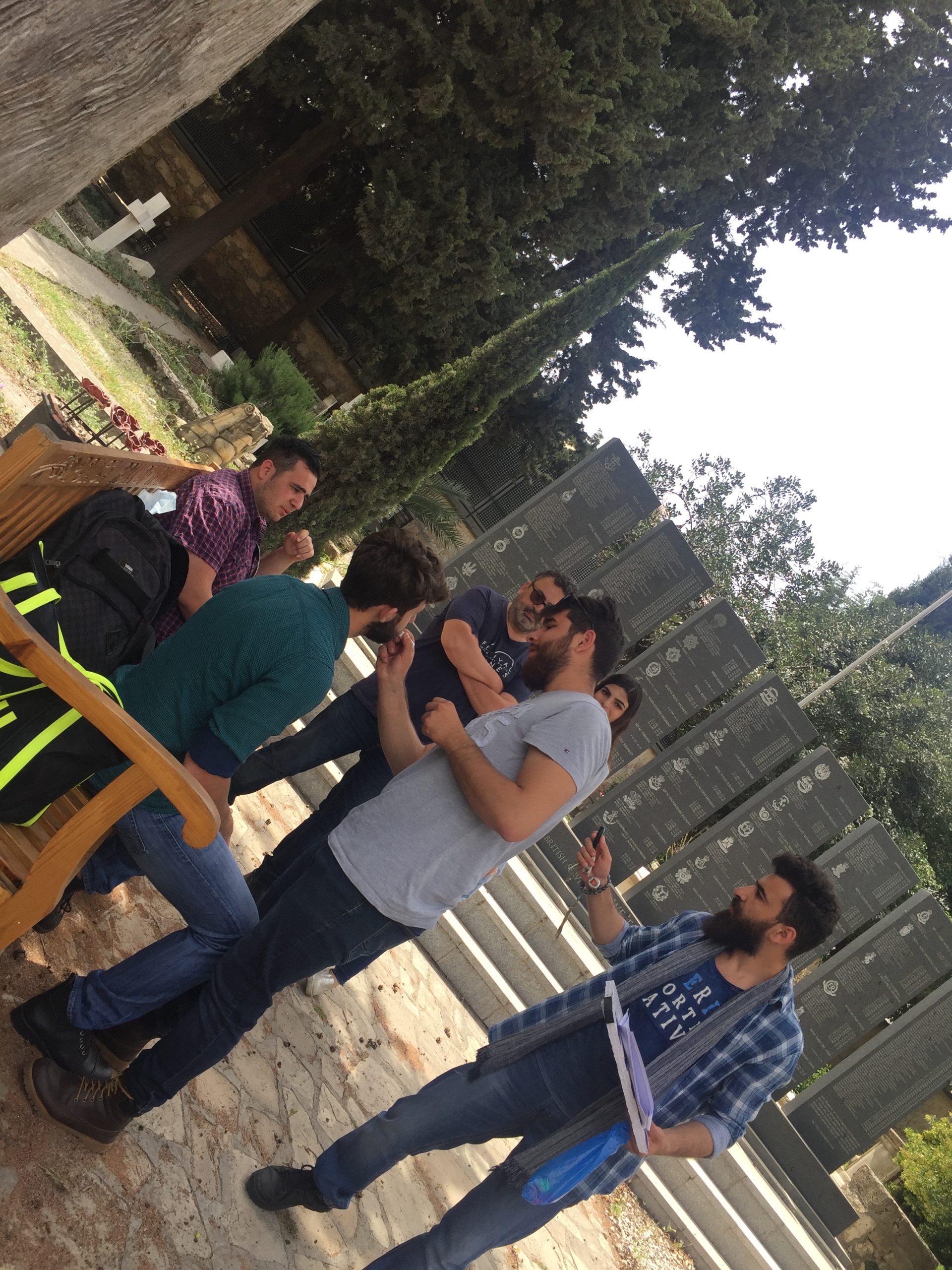
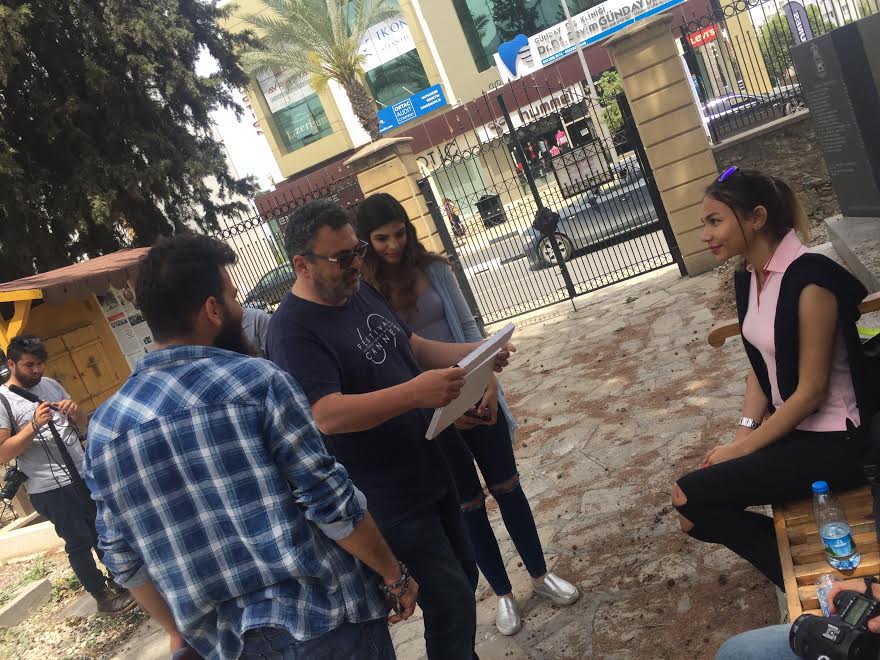
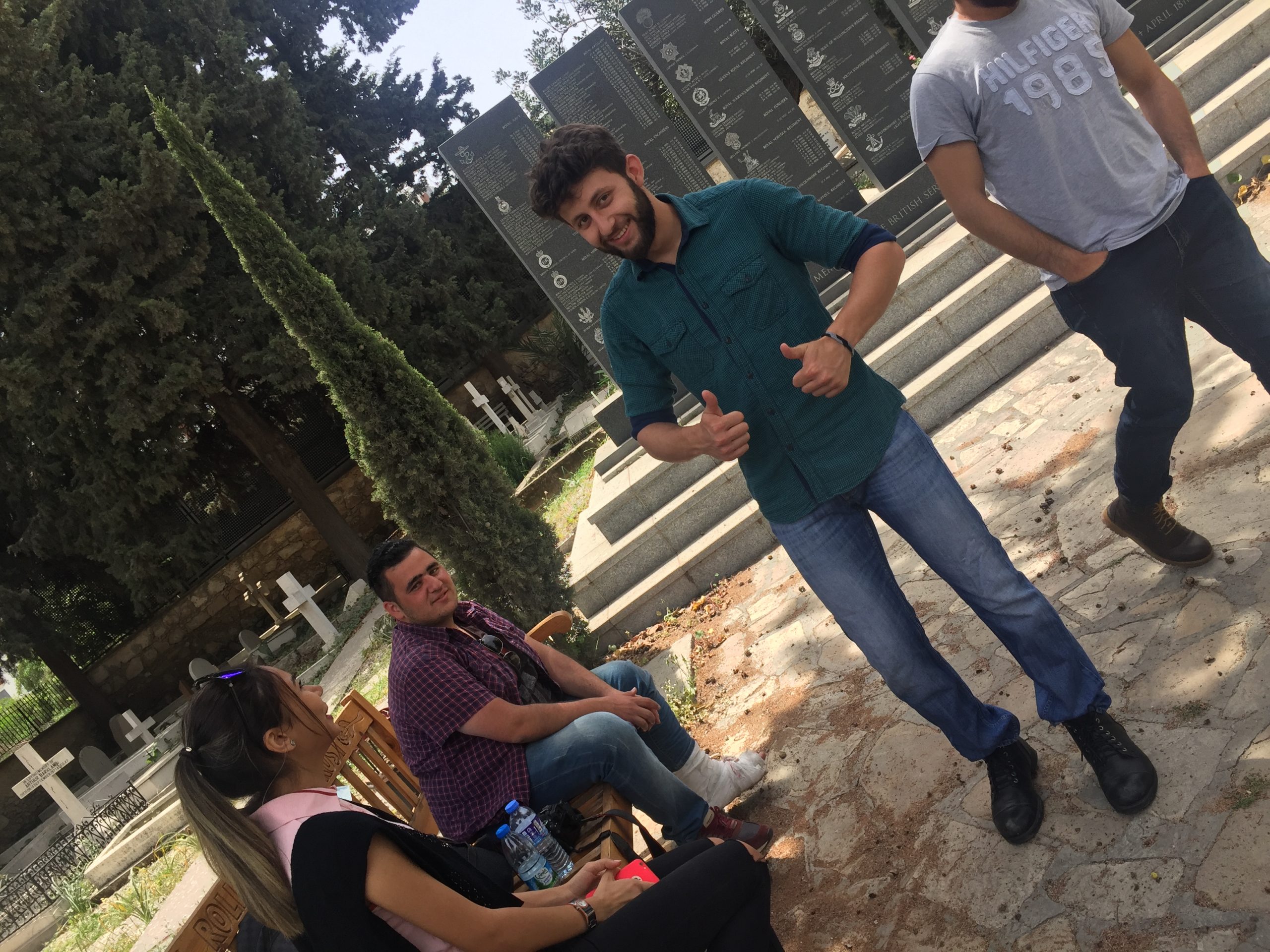
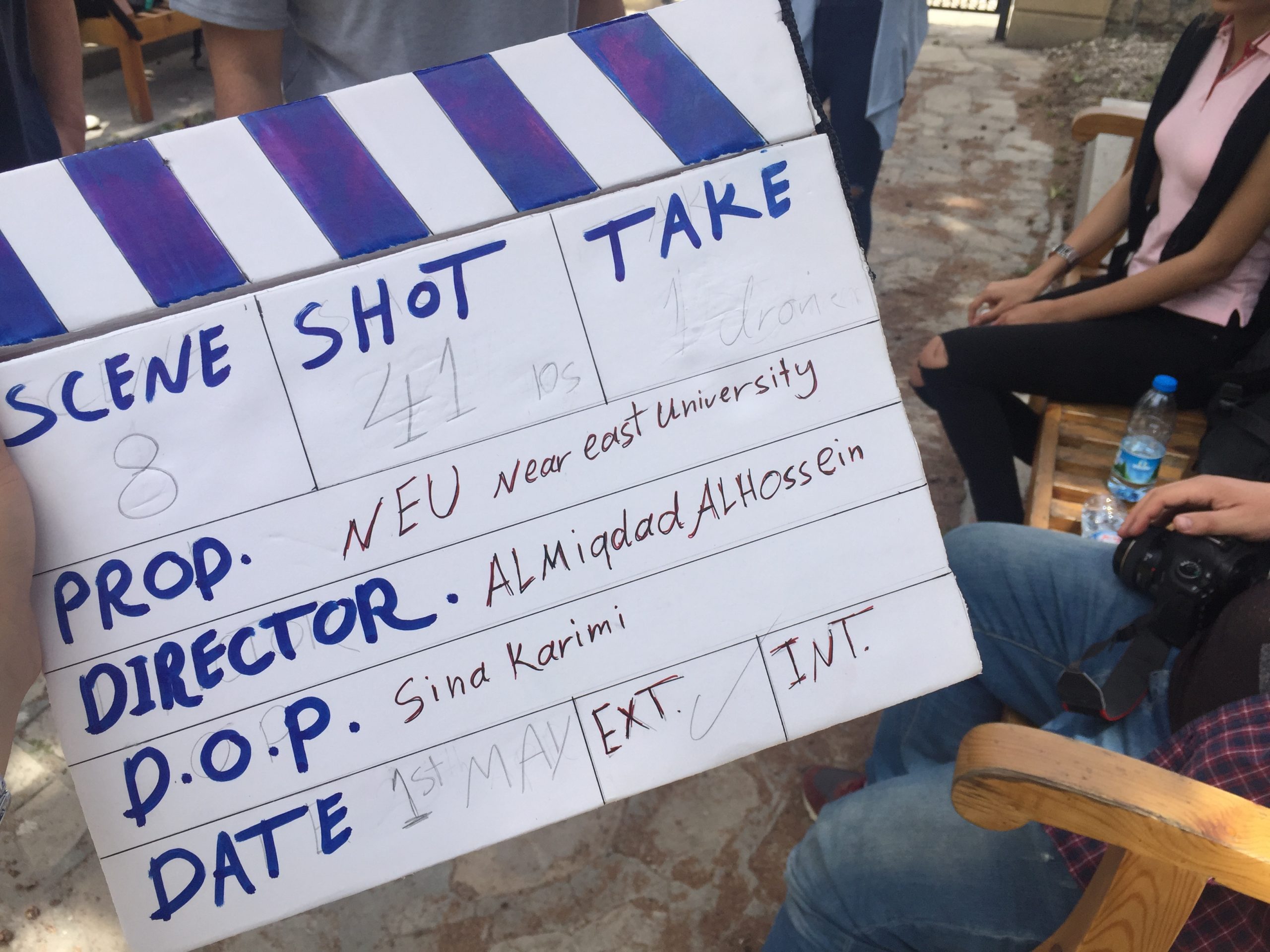
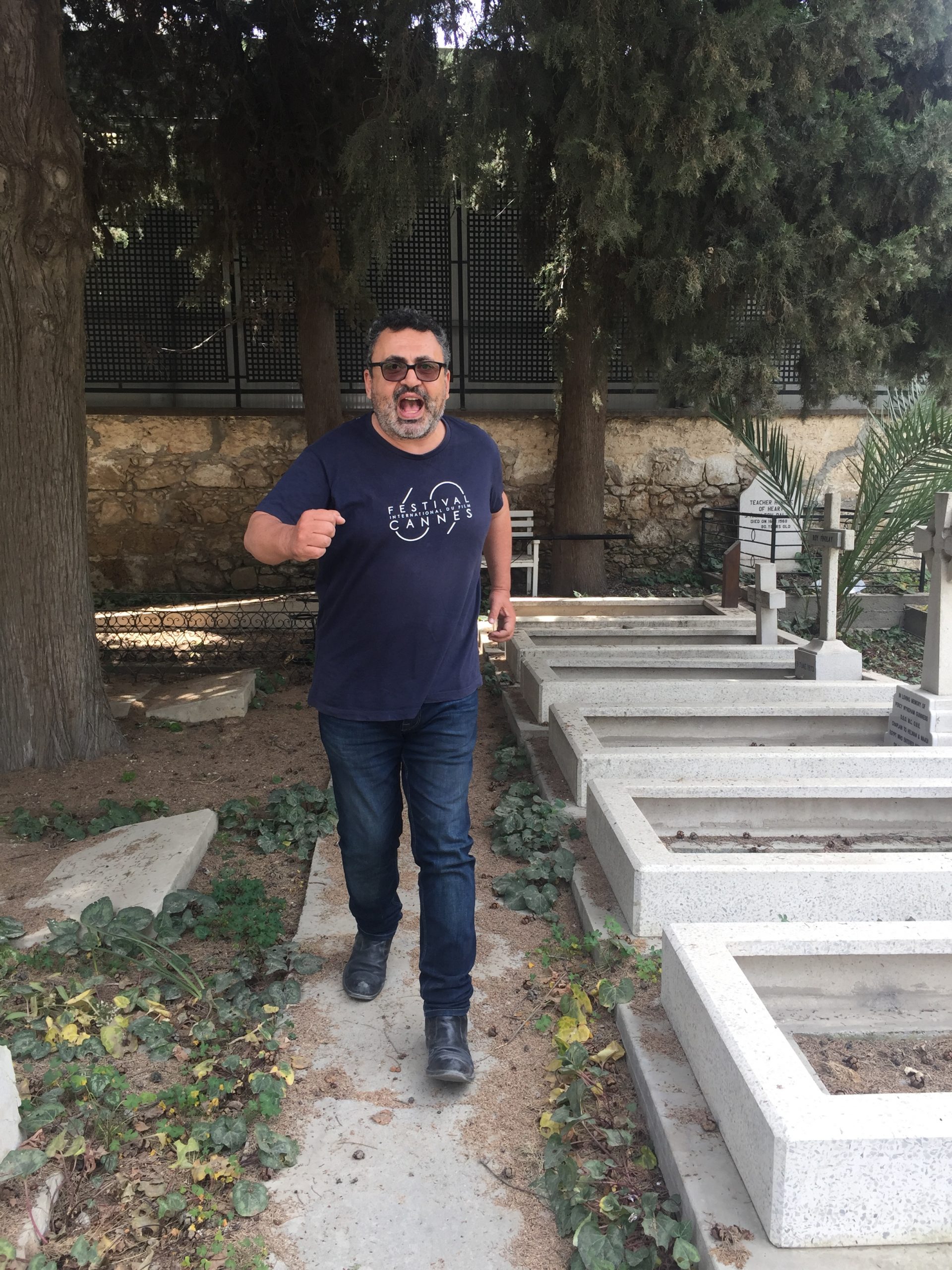
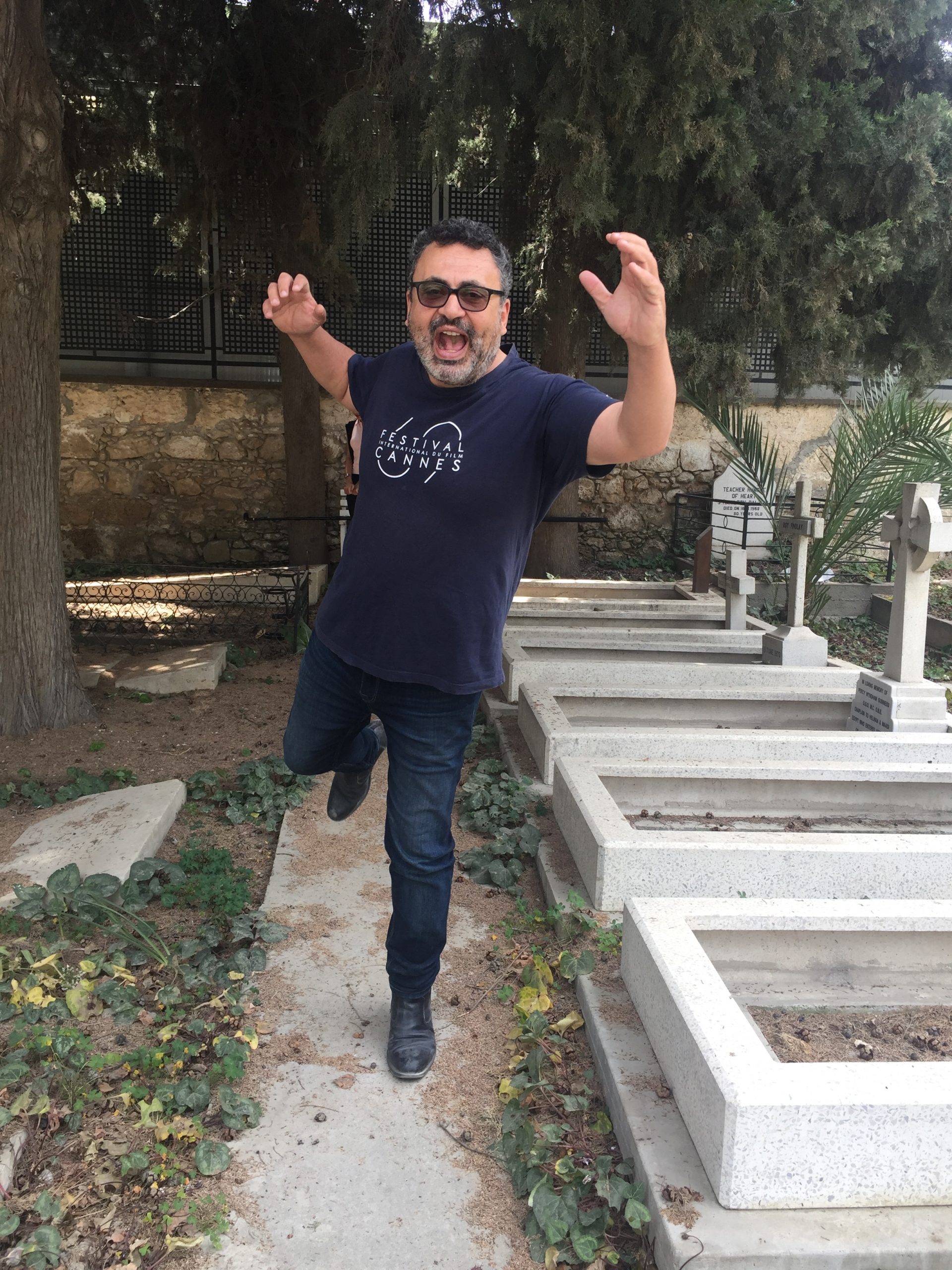
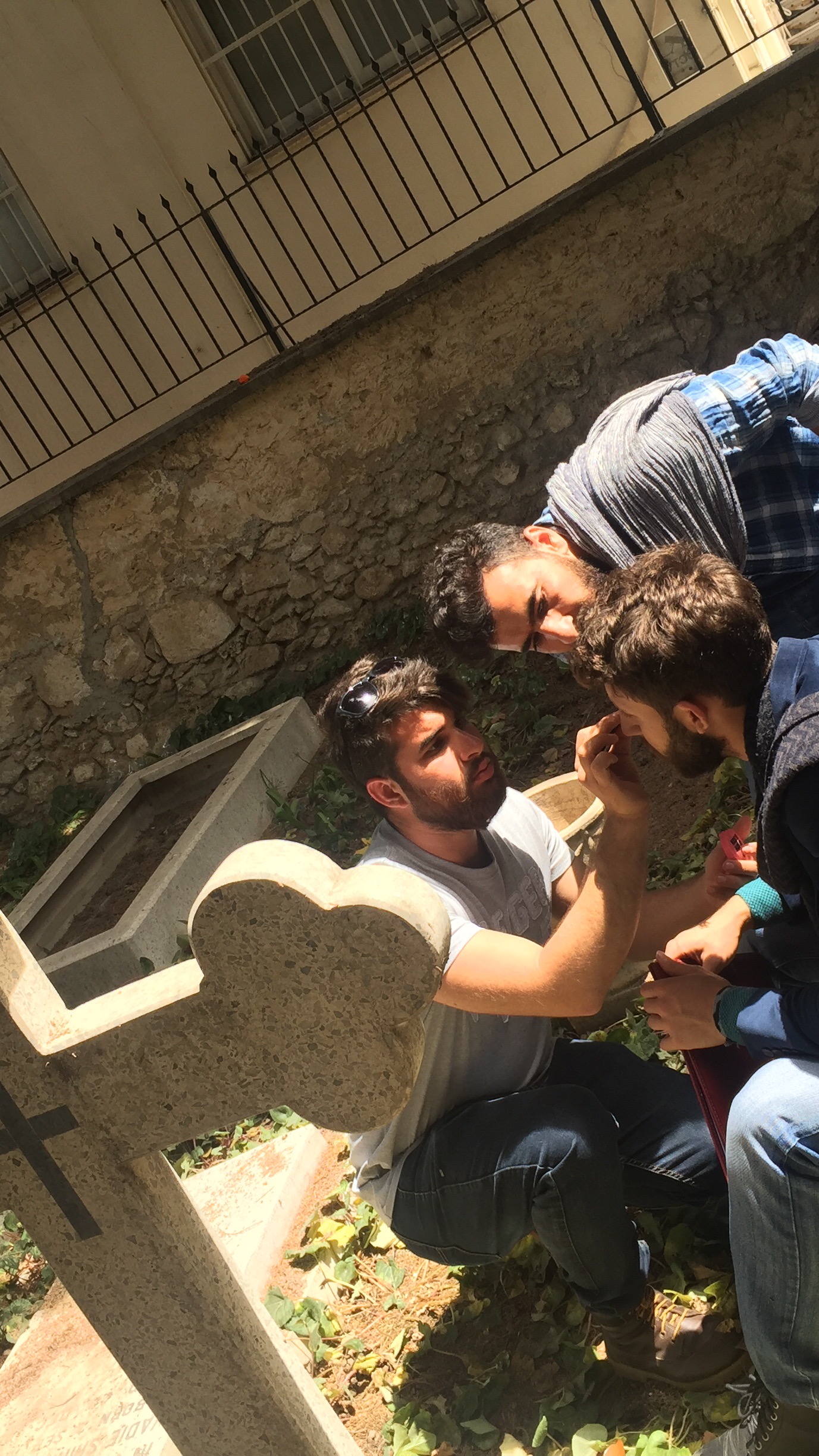
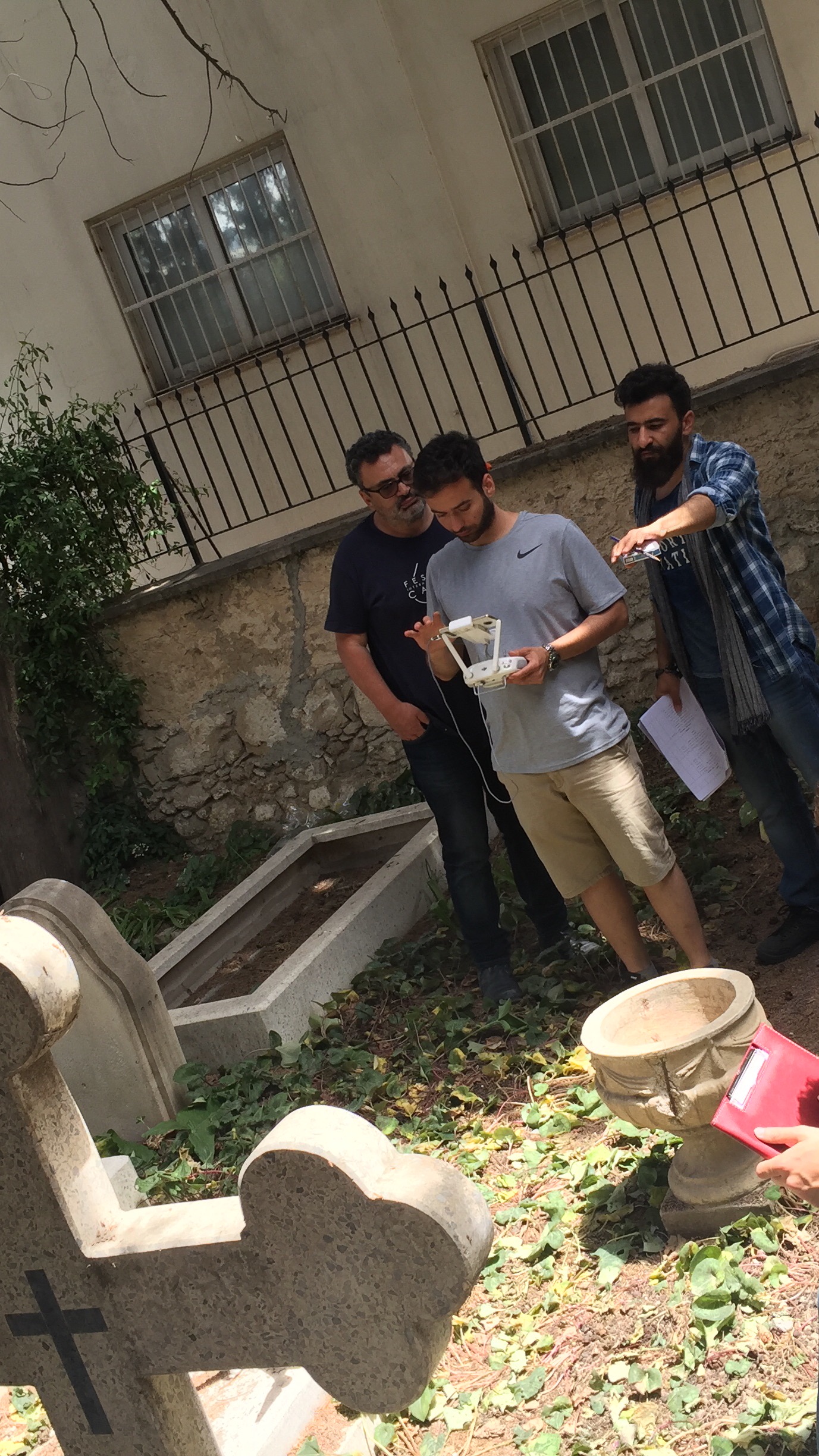
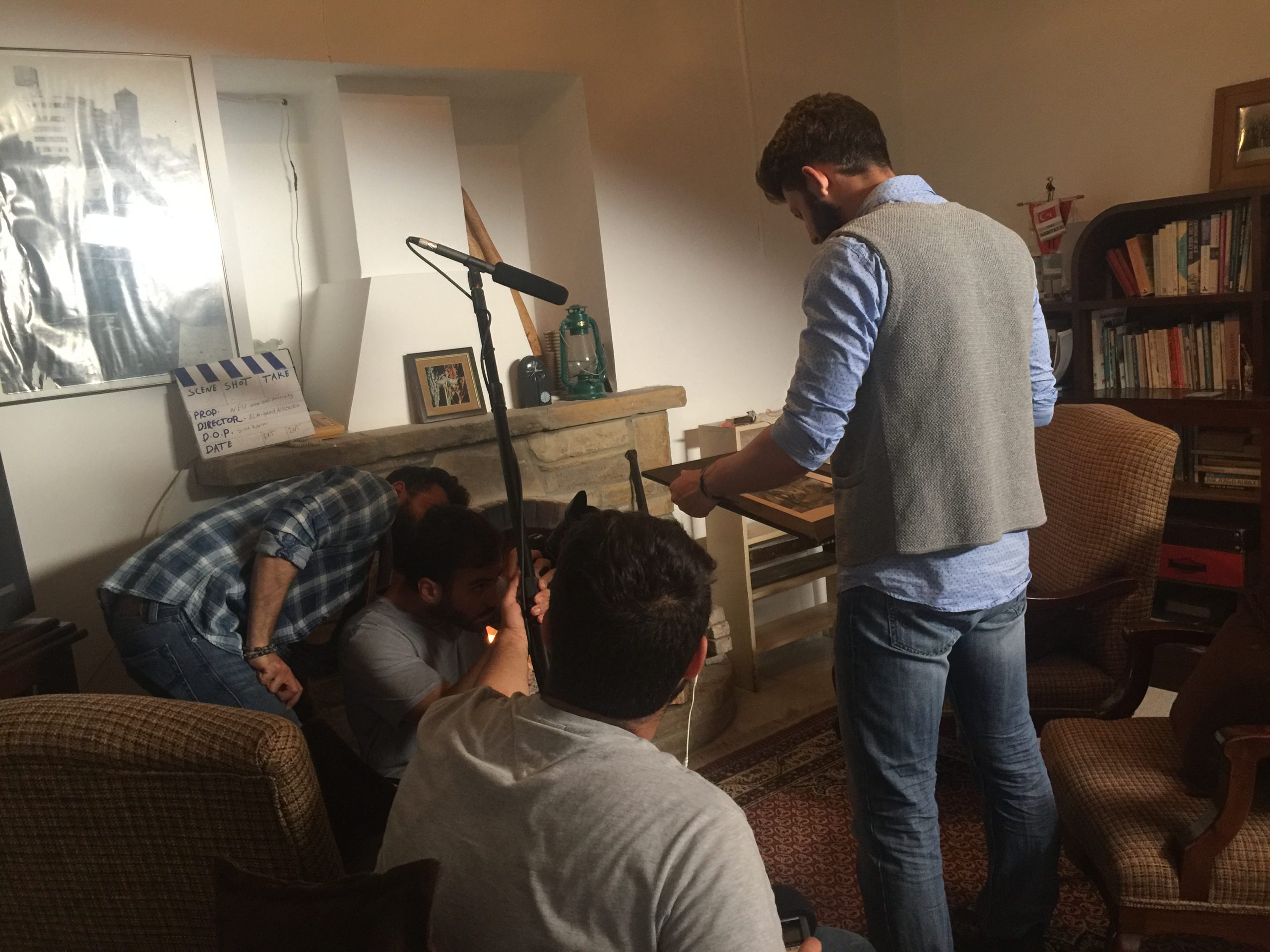
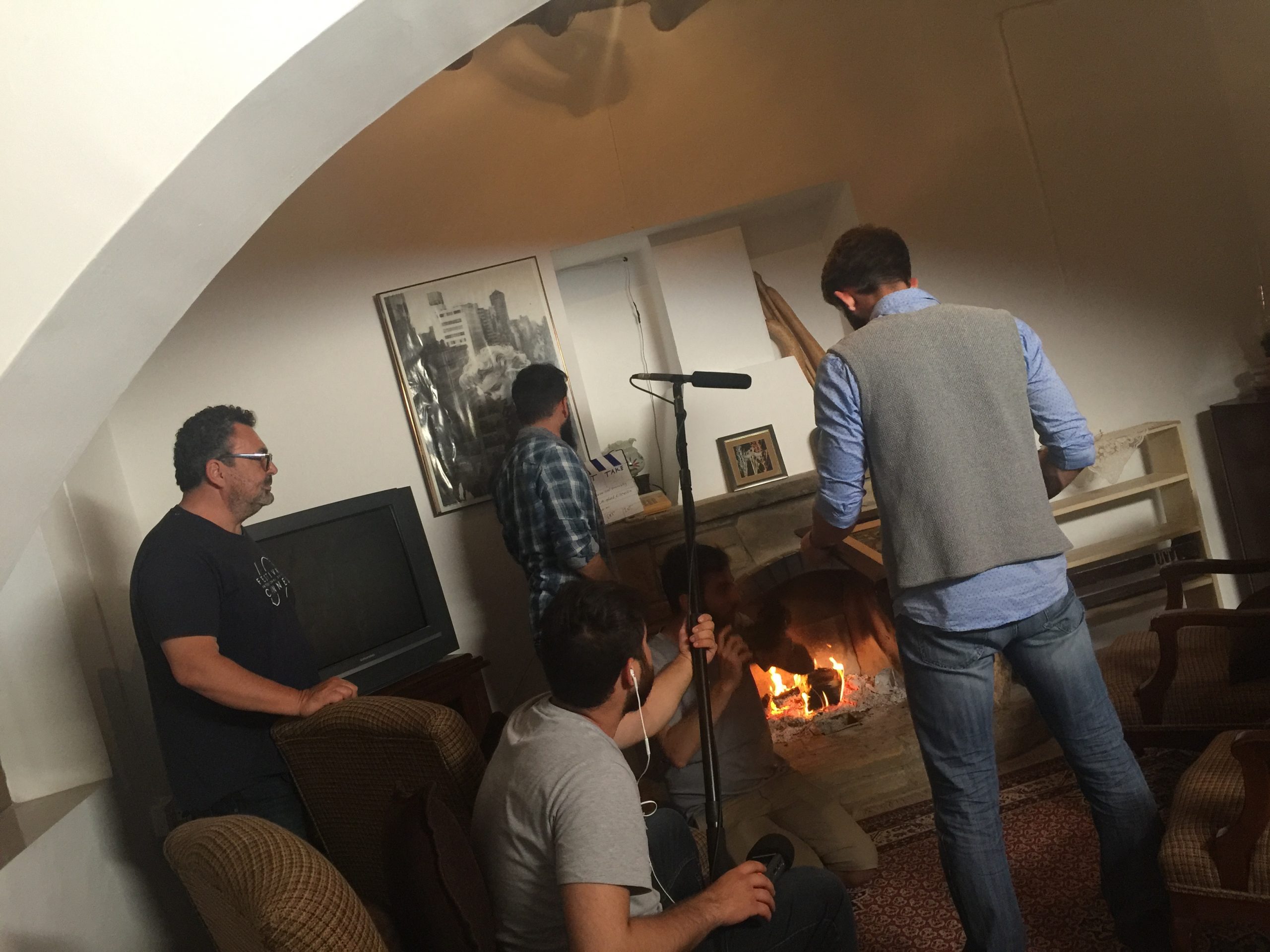
During the Shootings